






What Is Polyurethane Foam? Complete Beginner’s Guide
Introduction
If you have ever slept on a comfortable mattress, sat on a soft couch, installed soundproofing panels, or shipped fragile products safely, you have used or benefited from polyurethane foam (PU foam). It is one of the most versatile, cost-effective, and widely used synthetic materials in modern homes, commercial furniture, construction, and industrial manufacturing.
For beginners, polyurethane foam can seem confusing due to its many types, densities, and applications. Many people mix it up with memory foam, latex foam, polystyrene, or EVA foam. However, PU foam stands out for its unique balance of softness, durability, flexibility, and insulation performance.
In this complete beginner’s guide, we will explain exactly what polyurethane foam is, how it is made, its core types, key properties, common uses, safety information, and why it remains the top choice for bedding, furniture, and industrial wholesale buyers worldwide.

What Is Polyurethane Foam (PU Foam)?
Polyurethane foam is a lightweight, cellular synthetic material created through a chemical reaction between polyols and diisocyanates, combined with blowing agents, catalysts, and additives. The chemical reaction creates millions of tiny air cells inside the material, giving it a soft, spongy, or rigid insulated structure.
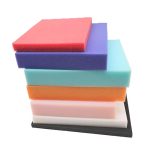
It is a type of polymer foam that can be engineered into countless forms: ultra-soft cushioning foam for mattresses, firm rigid foam for building insulation, porous acoustic foam for soundproofing, and shock-absorbing foam for product packaging.
Unlike single-purpose foam materials, polyurethane foam is highly customizable. Manufacturers can adjust its density, firmness, cell structure, elasticity, and fire resistance to fit different consumer and industrial needs, which explains its massive popularity across global markets.
How Is Polyurethane Foam Made? (Simple Beginner Explanation)
You do not need advanced chemical knowledge to understand PU foam production. The entire manufacturing process follows a simple, controlled reaction:
-
Raw Material Mixing: The two core liquid components — polyol and isocyanate — are mixed with blowing agents, colorants, and stabilizing additives.
-
Foaming Reaction: The mixture reacts rapidly and releases gas, creating tiny air bubbles that expand the material into a foam structure.
-
Curing & Hardening: The expanding foam hardens and stabilizes into a solid foam block with a uniform cellular structure.
-
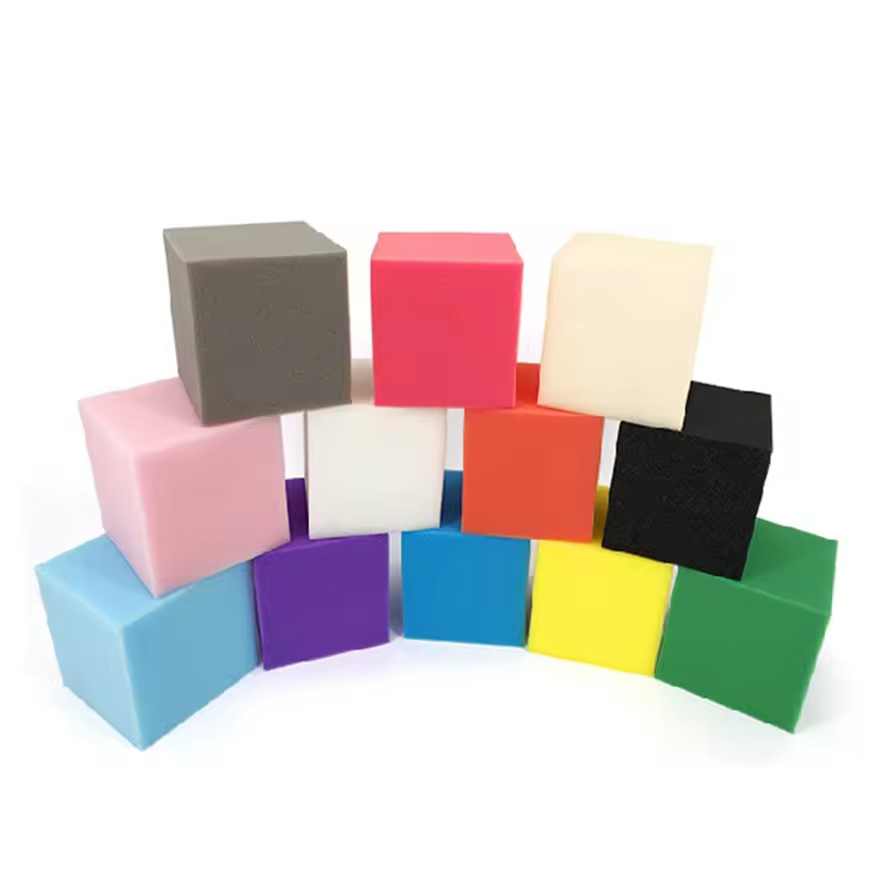
Cutting & Finishing: Large foam blocks are cut into sheets, rolls, custom shapes, or finished products based on customer requirements.
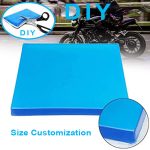
This flexible production process allows manufacturers to producecustom-cut polyurethane foam for furniture, bedding, packaging, and industrial equipment.
Two Core Types of Polyurethane Foam (Flexible vs Rigid)
For beginners, the most important classification of polyurethane foam is flexible PU foam and rigid PU foam. Their properties and applications are completely different.
1. Flexible Polyurethane Foam
Flexible PU foam is soft, elastic, and compressible. It can bounce back to its original shape after squeezing or pressing. This is the most common foam used in daily consumer products.
Key Features:
-
Soft, cushiony, and breathable
-
Excellent elasticity and pressure relief
-
Lightweight and comfortable
-
Available in low, medium, and high density options
Common Uses: Mattresses, pillows, sofa cushions, chair pads, car seat foam, pet beds, and soft toy filling.
2. Rigid Polyurethane Foam
Rigid PU foam is hard, sturdy, and non-compressible. It has a closed-cell structure that provides outstanding thermal insulation and structural support.
Key Features:
-
High structural strength and stability
-
Superior heat and cold insulation performance
-
Water-resistant and moisture-proof
-
Durable for long-term outdoor and construction use
Common Uses: Building wall insulation, roof insulation, refrigerator insulation, cold storage panels, and industrial structural foam parts.
Quick Comparison: Flexible vs Rigid PU Foam
|
Aspect
|
Flexible PU Foam
|
Rigid PU Foam
|
|---|---|---|
|
Structure
|
Open-cell, soft, elastic
|
Closed-cell, hard, sturdy
|
|
Firmness
|
Soft to medium-firm
|
Hard, non-compressible
|
|
Key Benefit
|
Comfort, cushioning, pressure relief
|
Thermal insulation, structural support
|
|
Breathability
|
Highly breathable
|
Low – air cannot pass through
|
|
Water Resistance
|
Absorbs moisture
|
Water-resistant / waterproof
|
|
Common Uses
|
Mattresses, pillows, sofa cushions, car seats
|
Wall insulation, roof panels, refrigerators, cold storage
|
|
Typical Density
|
18 – 80 kg/m³
|
30 – 200+ kg/m³
|
Open-Cell vs Closed-Cell Polyurethane Foam
Another critical classification for beginners is cell structure, which determines breathability, waterproofness, and sound insulation ability.
Open-Cell PU Foam
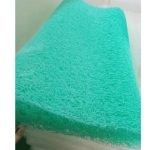
Open-cell foam has interconnected air holes. Air and moisture can pass through the material freely.
Pros: Highly breathable, soft, good sound absorption, lightweight, cost-effective.
Best for: Acoustic soundproofing foam, mattress foam, cushion padding, indoor sound absorption panels.
Closed-Cell PU Foam
Closed-cell foam has independent, sealed air bubbles that block air and water penetration.
Pros: Waterproof, moisture-resistant, excellent thermal insulation, high compression resistance.
Best for: Construction insulation, outdoor foam products, waterproof sealing gaskets, marine foam parts.
Quick Comparison: Open-Cell vs Closed-Cell PU Foam
|
Aspect
|
Open-Cell PU Foam
|
Closed-Cell PU Foam
|
|---|---|---|
|
Cell Structure
|
Interconnected pores, air flows freely
|
Independent sealed bubbles, no air flow
|
|
Breathability
|
Excellent – highly air-permeable
|
Very low – airtight
|
|
Water Resistance
|
Absorbs water, not waterproof
|
Waterproof / moisture-resistant
|
|
Sound Absorption
|
Superior acoustic performance
|
Moderate sound blocking
|
|
Thermal Insulation
|
Basic insulation
|
Excellent thermal insulation (R-value)
|
|
Weight
|
Lightweight
|
Heavier, denser
|
|
Cost
|
More affordable
|
Higher cost per unit
|
|
Best Applications
|
Acoustic foam, mattresses, cushions, indoor padding
|
Construction insulation, outdoor products, waterproof seals, marine use
|
Key Benefits of Polyurethane Foam
PU foam dominates the global market because it offers unmatched advantages for both consumer and industrial scenarios:
-
Versatility: Can be customized from ultra-soft bedding foam to super firm industrial insulation foam.
-
Excellent Cushioning & Support: High-density PU foam provides stable body support and pressure relief for sleep and seating.
-
Superior Insulation & Soundproofing: Ideal for building energy saving and indoor noise reduction.
-
Cost-Effective: More affordable than natural latex foam while offering similar comfort performance.
-
Durable & Long-Lasting: High-quality PU foam resists sagging, deformation, and wear for years.
-
Safe & Eco-Friendly Options: Low-VOC, CertiPUR-US certified, and recycled polyurethane foam are widely available for home and kids’ use.
Most Common Applications of Polyurethane Foam
1. Home & Furniture (Most Popular)
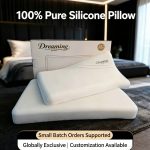
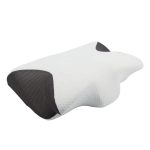
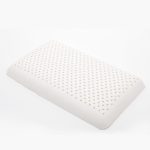
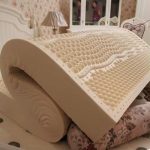
Flexible high-density polyurethane foam is the core material for modern home furniture. It is widely used in mattresses, sleeping pillows, sofa cushions, dining chair pads, and bench cushions, delivering comfortable support and long service life.
2. Construction & Insulation
Rigid closed-cell PU foam is a top-tier insulation material for residential and commercial buildings. It reduces energy consumption by blocking heat transfer, saving heating and cooling costs year-round.
3. Acoustic & Soundproofing
Open-cell polyurethane acoustic foam absorbs echo, reverberation, and background noise, commonly used in recording studios, home theaters, offices, and podcast rooms.
4. Packaging & Logistics
Custom PU foam inserts provide shock absorption and anti-collision protection for electronic devices, fragile glass products, medical equipment, and high-end gifts during transportation.
5. Automotive Industry
PU foam is used for car seat cushions, headrests, interior sound insulation, and door padding, improving driving comfort and reducing vehicle noise.
Is Polyurethane Foam Safe for Home Use?
This is the top concern for beginner buyers and homeowners. High-quality certified polyurethane foam is completely safe for daily use.
Reputable manufacturers produce low-VOC, non-toxic PU foam that meets international safety standards including CertiPUR-US and OEKO-TEX. These certified foams are free from harmful formaldehyde, heavy metals, and toxic flame retardants, safe for adults, children, and pregnant women.
New foam products may have a slight temporary odor (off-gassing), which dissipates completely within 24–72 hours in a well-ventilated space, with no long-term health risks.
Frequently Asked Questions (FAQs)
1. Is polyurethane foam the same as memory foam?
No. Memory foam is a special modified type of polyurethane foam. Regular PU foam offers bouncy, general support, while memory foam features slow rebound and body contouring pressure relief.
2. How long does polyurethane foam last?
High-density polyurethane foam can last8–15 years with proper maintenance. Low-density foam may sag after 2–3 years of heavy use.
3. Is polyurethane foam waterproof?
Closed-cell PU foam is waterproof and moisture-proof. Open-cell PU foam is breathable and water-absorbent, not suitable for wet environments.
4. Can polyurethane foam get moldy?
Only open-cell foam in long-term humid environments may grow mold. Regular cleaning and ventilation can effectively prevent mold growth.
Final Thoughts
Polyurethane foam is the most practical, versatile, and cost-effective foam material on the market. Whether you are a consumer looking for comfortable home bedding, a DIY enthusiast needing custom foam cuts, or a wholesale buyer sourcing foam materials for furniture, packaging, or construction, PU foam can perfectly match your needs.
Understanding the differences between flexible/rigid, open-cell/closed-cell, and high/low-density foam helps you avoid wrong purchases and select the most suitable polyurethane foam for your projects.
Looking for high-quality custom polyurethane foam sheets, mattress foam, or bulk foam materials? We provide customized density, size, and certified safe PU foam for global wholesale clients. Contact us today for a free quote and sample testing!
