





What Are Surgical Medical Gel Positioners Pads & How Do They Prevent Pressure Injuries?
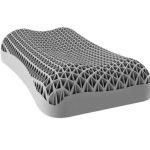
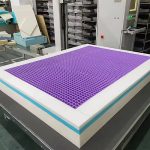
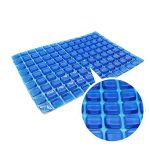
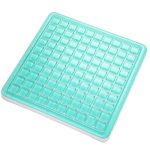
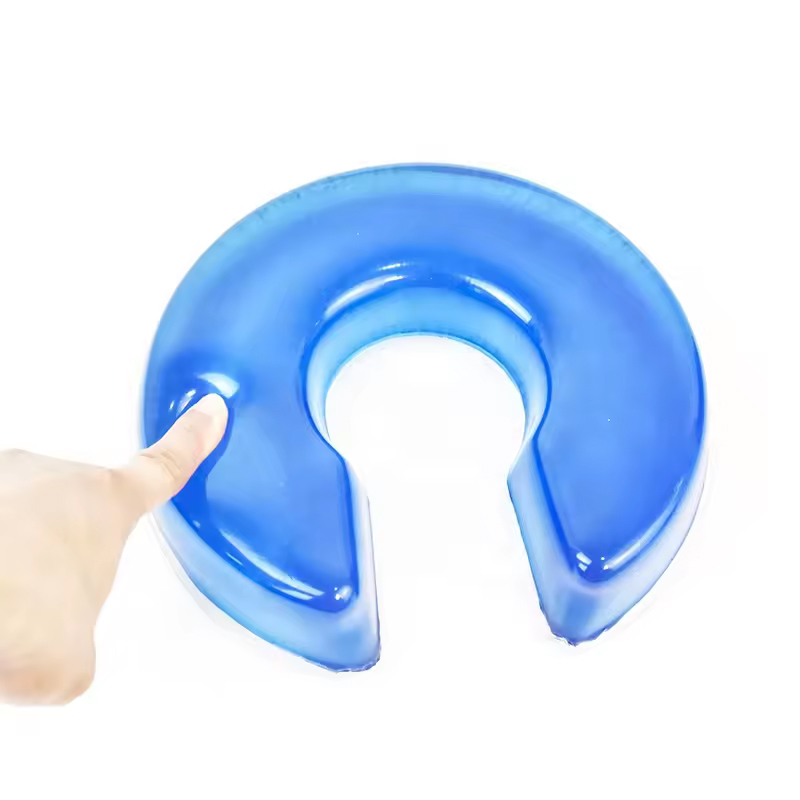
Surgical medical gel positioners pads are hospital-grade, reusable supportive cushions specially designed for operating rooms, ambulatory surgery centers, radiology departments and plastic surgery clinics. Constructed with medical-grade viscoelastic gel wrapped in durable, biocompatible PU or silicone cover, these positioners safely stabilize patients in supine, lateral, prone or lithotomy positions throughout surgical procedures.
Unlike basic foam positioning pads, medical gel positioners evenly distribute body weight across contact surfaces. They are widely adopted by medical facilities to lower the incidence of pressure injuries, nerve compression, skin ischemia and postoperative discomfort, especially during lengthy operations.

How Pressure Injuries Develop During Surgery
Intraoperative pressure injuries, also known as surgical-acquired pressure ulcers, form easily under these conditions:
- Patients remain immobile for several hours under anesthesia and cannot shift to relieve pressure;
- Hard operating table surfaces concentrate pressure on bony prominences: heels, sacrum, shoulders, knees, cheekbones;
- Tissue blood circulation is compressed, leading to insufficient oxygen supply to skin and soft tissue;
- Longer operation duration, obese patients, vascular conditions significantly raise risk levels.
Minor pressure redness can progress into severe stage 2–4 pressure ulcers, bringing extended patient recovery time, extra clinical treatment costs and potential medical complications. This makes proper patient positioning a core safety protocol in modern operating rooms.
The Working Principle of Gel Positioners to Avoid Pressure Injuries
Medical gel features unique viscoelastic properties that foam, sponge or water pads cannot match.
- Uniform pressure dispersion — Gel conforms naturally to body contours instead of creating hard counter-pressure. It spreads concentrated weight over a wider contact zone and lowers peak pressure on vulnerable bony areas.
- Maintain stable positioning without tissue shear — Quality surgical gel pads minimize shear force and friction when patients lie fixed on the operating table. Shear force is one major trigger for hidden deep tissue injuries.
- Consistent support over extended time — Ordinary foam gradually compresses and loses resilience after hours of load. Medical gel keeps stable cushioning performance for long-duration surgeries.
- Temperature neutral material — Medical-grade gel avoids excessive heat buildup. Excess local heat speeds up tissue metabolism and worsens damage when circulation is limited.
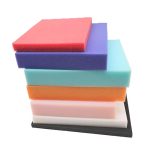
Comparison: Gel vs Foam vs Air/Water Positioning Pads
To help procurement teams and OR managers make informed decisions, below is a side-by-side comparison of the three most common surgical positioning pad materials:
| Parameter | Medical Gel Positioners | Foam Positioning Pads | Air / Water Pads |
|---|---|---|---|
| Pressure distribution | Excellent — viscoelastic gel conforms to body contours, reduces peak pressure by 30–50% on bony points | Moderate — rebounds quickly, creates concentrated counter-pressure | Good — fluid equalizes pressure, but unstable under movement |
| Long-surgery stability (3+ hrs) | Excellent — maintains consistent cushioning without compression set | Poor — gradually flattens under sustained load, loses support | Variable — risk of air/water leakage; needs periodic re-inflation |
| Shear & friction reduction | Excellent — low-friction PU cover + gel dampening reduces tissue shear | Fair — foam surface generates more friction against skin | Good — but moisture buildup can irritate skin if seals fail |
| Reusability & disinfection | High — sealed PU/silicone cover, wipeable with hospital-grade disinfectant | Low — porous foam absorbs fluids, hard to fully disinfect | Medium — waterproof but valves/seams are weak points |
| Non-slip performance | High — gel weight + textured bottom prevents patient shifting | Low — lightweight foam slides easily on OR table surfaces | Low — air pads tend to drift under lateral pressure |
| Durability / lifespan | 3–5 years with proper care | 6–12 months, compresses quickly | 1–2 years, puncture risk |
| Unit cost (USD) | Mid-high ($50–$300+ per pad depending on size) | Low ($10–$60 per pad) | Mid ($40–$150 per pad) |
| Best suited for | Long surgeries, spine/ortho/plastic procedures, bariatric patients, high-volume ORs | Short procedures, low-budget clinics, single-use scenarios | Specialty wards, bedridden patients, not ideal for OR use |
Clinical takeaway: For facilities performing procedures lasting 2 hours or more, medical gel positioners deliver the strongest return on investment through lower pressure injury rates, fewer replacements and broader surgical compatibility.
Key Advantages of Surgical Medical Gel Positioners Pads
- Reusable with standard hospital high-level surface disinfection;
- Non-slip surface prevents unintended patient sliding during operations;
- Liquid-resistant sealed cover blocks blood, antiseptic fluids from penetrating inner gel;
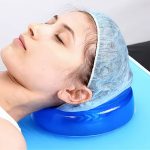
- Available in standard shapes: head donuts, heel pads, torso supports, arm positioners, lateral hip wedges;
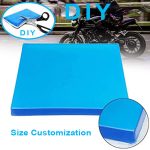
- Custom dimensions and shapes are supported for special surgical requirements (spine surgery, bariatric surgery, aesthetic procedures).
Best Practices to Maximize Pressure Injury Prevention
Even premium gel positioners work best with standardized usage routines:
- Select matched pad sizes according to patient body type; avoid overstretching or folding gel cushions;
- Place positioners directly under bony pressure points instead of stacking multiple thick layers;
- Inspect pads routinely: stop using immediately if covers tear, leak gel or become permanently deformed;
- Combine gel positioning with temperature management and moisture control in the OR;
- Train nursing staff on correct placement for prone, lateral and other complex surgical positions.
Frequently Asked Questions
Q1: Can gel positioners fully eliminate surgical pressure injuries?
A1: They drastically reduce risk but do not guarantee zero injuries. They should be used alongside comprehensive patient assessment, reasonable operation scheduling and standardized intraoperative care protocols.
Q2: Are gel pads suitable for bariatric overweight patients?
A2: Yes. High-load medical gel positioners deliver superior pressure distribution for heavy-weight patients compared with regular foam supports. Confirm maximum load specifications before purchase.
Q3: How to clean and disinfect reusable surgical gel position pads?
A3: Wipe surfaces with hospital-approved disinfectant wipes. Avoid harsh corrosive chemicals that break down the outer cover. Do not autoclave unless products explicitly support autoclave sterilization.
Q4: How do gel positioners compare to foam pads in terms of cost per use?
A4: While gel pads have a higher upfront cost, their 3–5 year lifespan and reusability across thousands of procedures typically result in a lower cost-per-use compared to foam pads that need replacement every few months.
Closing Paragraph
For surgery centers aiming to upgrade patient safety standards, surgical medical gel positioners pads are cost-effective essential supplies. Effective pressure injury protection not only improves patient outcomes but also optimizes overall clinical risk management. Contact our team to view our full series of medical gel positioning products and get specification sheets or wholesale quotations.
