



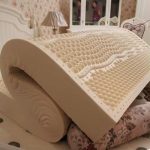

Washable Mattress Showdown: POE Air Fiber vs Waterproof Foam for Hostels & Healthcare
Hostels, youth accommodations, hospitals, nursing homes and rehab facilities demand bedding that stands up to heavy turnover, bodily fluids, spills, heavy perspiration and frequent sanitation. For decades, waterproof foam (high‑density PU foam protected by TPU/PU‑coated waterproof cover) has been the default institutional bedding solution. It delivers surface‑level liquid protection at competitive wholesale pricing.
Yet waterproof foam has well‑documented hidden weaknesses: the waterproof membrane is only a surface barrier. Once the cover tears, fluids seep into the foam core and cannot be removed. POE 4D air‑fiber delivers true full‑core washability, creating a new benchmark for high‑hygiene institutional bedding. This article contrasts both materials for procurement managers, FF&E contractors and bedding OEMs, focusing on real‑world hostel and healthcare operating conditions.
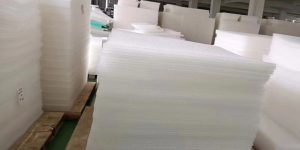
1. Core Material Working Principle
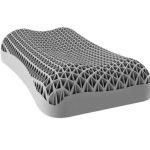
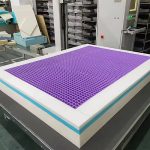
POE 4D Air‑Fiber Mattress Core
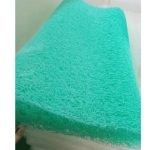
Virgin POE thermoplastic monofilaments thermally welded into an open 3D network, void ratio >90%.
- Core itself is fully water‑permeable and washable. Liquids pass straight through the fiber matrix. The whole core can be rinsed, flushed and air‑dried.
- No organic nutrient source; inherently resistant to mold, mildew and dust‑mite colonization. Waterproof zippered cover remains recommended as primary barrier.
Waterproof Foam Mattress (Institutional Grade)
High‑density polyurethane foam core wrapped in a TPU or PU‑laminated waterproof fabric cover.
- Only the cover is waterproof. The porous PU foam core itself absorbs liquid readily. Sanitation is limited to surface wiping and cover laundering.
- If the waterproof membrane delaminates, rips, develops pinholes or seam leaks, contaminants penetrate and become trapped permanently inside foam.
2. Side‑by‑Side Performance Comparison for Hostel & Healthcare
Test & operational baseline: heavy‑use institutional environment, frequent spills, sweat, occasional incontinence, routine sanitization cycles
| Comparison Item | POE 4D Air‑Fiber (Virgin‑Grade Institutional Spec) | Waterproof High‑Density Foam (Hospital‑Grade with TPU Cover) |
|---|---|---|
| Core Washable | ✅ Full‑core rinse & flush capability | ❌ Core cannot be washed; only cover can be cleaned |
| Liquid Handling | Fluids drain through core; rinse away contaminants | Surface repellent only; leak = permanent core contamination |
| Breathability & Heat Dissipation | Extremely high open‑air structure; reduces sweat buildup | Low‑to‑moderate; waterproof TPU membrane traps heat & moisture vapor |
| Mold / Mildew Risk | Very low (inorganic polymer) | Low‑risk if cover remains intact; high‑risk once cover fails |
| Typical Failure Mode | Fiber‑junction fatigue from millions of compression cycles | Cover delamination, pin‑hole leaks, foam permanent compression set |
| Weight | Lightweight | Noticeably heavier |
| Packing & Logistics | Vacuum‑compressible for container shipment | Can be vacuum‑compressed |
| Noise Risk | Premium grade low‑noise; low‑cost variants produce crinkling sound | TPU cover may generate crinkle noise on patient movement |
3. Wholesale Cost & Total‑of‑Ownership (TCO) Analysis
Reference: single‑size institutional mattress, bulk FOB China order for hostel / healthcare projects
| Cost Component | POE 4D Air‑Fiber (Institutional Spec) | Waterproof Foam Mattress |
|---|---|---|
| Up‑front Unit Procurement Cost | Higher CAPEX (+20‑35% vs waterproof foam) | Lower initial purchase cost, widely used budget option |
| Required Accessories | Heavy‑duty zippered waterproof encasement (recommended) | Mandatory high‑quality TPU waterproof cover (non‑negotiable) |
| Cover Replacement Cycle | Cover replaced on normal wear; core survives | Cover damage forces complete mattress replacement |
| Expected Service Life‑ Hostel High‑Turnover | 4‑6 years | 2‑4 years (driven largely by cover integrity failures) |
| Expected Service Life‑ Nursing / Rehab | 3‑5 years | 2‑3 years (incontinence accelerates cover degradation) |
| Hidden Replacement Risk | Low; cover damage does not write‑off core | High; small cover defect renders whole unit unhygienic |
Key procurement takeaway: Waterproof foam looks attractive on initial tender pricing, but TCO can escalate fast when covers tear and full mattresses must be discarded prematurely. POE air‑fiber’s higher upfront cost is offset by core reusability when outer covers become damaged.
4. Pros & Cons in Hostel and Healthcare Operations
POE 4D Air‑Fiber
✅ Strengths for Institutions
- True fallback hygiene safety net: If outer cover gets ripped or compromised, you can remove, rinse and sanitize the mattress core rather than discarding the whole unit. Critical for hostels with high guest turnover and healthcare incontinence scenarios.
- Outstanding breathability cuts heat‑sweat complaints; valuable for patients confined to bed and dormitory guests in warm climates.
- No organic nutrition source for mold and mites; ideal for tropical or poorly‑ventilated institutional facilities.
- Lightweight, easier for staff to lift, rotate, inspect and handle during room turnovers.
❌ Operational Drawbacks
- Higher initial project CAPEX, may challenge tight public‑sector tender budgets.
- Must enforce cleaning rules: no hot‑water (>60℃) washing, no high‑heat tumble drying, to prevent accelerated fiber‑weld fatigue.
- Low‑cost recycled‑POE variants show poor cyclic fatigue; institutional buyers must specify virgin‑grade material with cyclic‑compression test reports.
Waterproof Foam
✅ Strengths for Institutions
- Low entry purchase price; well‑understood specification for public tenders.
- Wide supplier base, short lead‑times, established industry compliance documentation.
- Soft, familiar foam feel preferred by many patients and guests.
❌ Operational Drawbacks
- Hygiene is entirely dependent on cover integrity. Pinholes, seam wear, small tears are hard to spot visually yet allow bodily fluids into foam core with no remediation path.
- TPU waterproof films trap moisture vapor; can lead to clammy sleeping surface, skin irritation for long‑term bed‑bound patients.
- Once contaminated, mattress cannot be restored and must go to landfill, generating high long‑term replacement expenditure.
5. Real‑World Application Guidance
✅ Prioritize POE 4D Air‑Fiber for these projects
- High‑turnover hostels & backpacker accommodation: frequent spills, rough handling, high risk of cover damage. Retain usable core when covers wear out.
- Nursing homes, rehab centres, palliative‑care wards: incontinence risk, repeated sanitation cycles, where discarding mattresses frequently raises operational cost.
- Institutions in hot‑humid tropical / coastal locations: mitigates mold risks common in shared accommodation.
- Facilities aiming to cut waste and landfill volume by extending core service life.
✅ Choose Waterproof Foam for these projects
- Tender‑driven projects with strict hard CAPEX limits, where budget overrides long‑term TCO optimization.
- Low‑risk clinical environments with minimal incontinence, robust strict cover inspection & replacement SOPs.
⚠️ Critical Specification Pitfalls to Avoid
- For POE: Never accept recycled‑content POE for hostel or healthcare; always require cyclic‑fatigue lab report (minimum 100 000 cycles).
- For waterproof foam: Do not select thin, low‑cost TPU covers; specify heavy‑duty, seam‑reinforced, tear‑resistant laminated fabric, and build periodic cover‑replacement budget into project planning.
6. FAQ for Institutional Buyers
Q1: Does POE air‑fiber remove the need for waterproof mattress covers in healthcare and hostels? A: No. Heavy‑duty waterproof zippered encasements remain primary protection. POE delivers a vital second‑line safety buffer if the cover fails, but it is not a replacement for proper barrier covers.
Q2: Can POE air‑fiber replace pressure‑relief anti‑decubitus medical mattresses? A: Standard POE air‑fiber delivers good pressure distribution, but for high‑risk bed‑sore patients, dedicated alternating‑pressure medical devices are still required.
Q3: What documentation should I demand in tender documents? A: POE: virgin‑material declaration, cyclic compression‑fatigue test, wash‑resistance report. Waterproof foam: TPU cover tear‑resistance, seam‑strength data, flammability and institutional compliance certificates.
Conclusion
Waterproof foam with TPU covers will remain a mainstream institutional bedding solution for budget‑constrained hostels and healthcare projects. Its core limitation is structural: hygiene protection lives or dies entirely on the integrity of a thin laminated fabric cover, with no recovery path once the barrier fails.
POE 4D air‑fiber’s greatest institutional advantage is true washable core capability, providing operational safety when outer covers tear or leak. Although initial procurement cost is higher, it reduces premature mattress write‑offs, improves heat‑moisture performance and delivers superior long‑term total‑cost‑of‑ownership for high‑wear hostel and healthcare environments. For best outcomes, procurement teams should evaluate both CAPEX and projected multi‑year replacement expenditure before final specification.
