





Unique Selling Points of Natural Latex Pillows — Compete Against Generic Memory Foam & Synthetic Foam Pillows
“Why pay more for natural latex instead of cheap foam?”
Your core challenge: Translate material differences into customer-centric benefits, not just technical jargon.
Also critical: All selling language must be compliant — avoid medical/therapeutic claims that risk Amazon listing takedowns or consumer complaints.
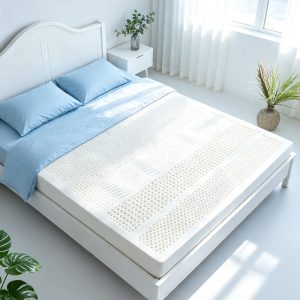
Part 1: Core USP Framework — Natural Latex VS Generic Synthetic Foam
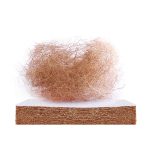
Natural latex = raw rubber tree sap processed foam
Generic foam = petroleum-based PU / memory foam, often with chemical additives, recycled fillers or blended materials
USP 1: Natural Raw Material Base — Renewable, Fewer Synthetic Additives
✅ Benefit statement (safe marketing):
Natural latex is derived from renewable rubber tree sap. High-quality natural latex relies on natural polymer structure instead of heavy petroleum-based synthetic formulations common in generic foam.
❌ Do NOT claim: “Chemical-free”
All finished bedding requires minor processing additives.
✅ Correct alternative: Formulated without excessive synthetic fillers.
Against generic foam:
Budget memory foam & synthetic foam originate from petroleum. Many low-cost versions contain recycled foam scraps and softening agents that amplify odours.
USP 2: Open-Cell Structure — Superior Airflow, Less Heat Trapping
Customer Pain Point: Hot pillows, sweaty heads overnight
✅ USP wording:
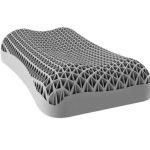
Open-cell porous structure allows continuous air circulation. Unlike dense closed-cell generic foam that traps body heat, natural latex helps maintain a more comfortable sleeping temperature all night.
- Generic memory foam: Dense structure → retains heat, famous for “hot pillow” complaints
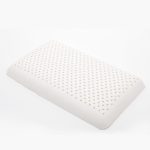
- Natural latex: Interconnected pores dissipate moisture and heat
USP 3: Consistent Instant Rebound — No Sinking, No Permanent Flattening
Customer Pain Point: Pillow collapses after a few months, develops permanent dents
✅ USP wording:
Natural latex features lively, immediate rebound support. It conforms to your head and neck while springing back to its original shape after use. Quality latex resists permanent indentation far longer than standard synthetic foam.
Generic foam weakness:
Cheap memory foam slowly breaks down; after 6–12 months it stays compressed, becomes lumpy and loses support.
Compliant boundary:
Describe support and rebound performance only. Do not state “relieves neck pain”.
Safe phrasing: Supports natural head and neck alignment during sleep.
USP 4: Balanced Firmness (Not Too Hard, Not Too Mushy)
- Low-density memory foam: Overly soft, sinks too deeply
- Hard dense synthetic foam: Stiff, rigid, uncomfortable
✅ Latex USP:
Offers resilient medium support. It yields gently under pressure yet maintains underlying support, suitable for back sleepers and side sleepers alike.
USP 5: Inherent Resistance to Dust Mites & Microbes (High Value for Allergy Shoppers)
✅ Safe wording:
Natural latex’s dense organic structure inhibits dust mite habitation. Combined with breathable design, it creates a less favourable environment for dust mites compared to many fibre and synthetic foam pillows.
⚠️ Restriction:
Avoid absolute terms such as “anti-allergy”, “100% dust mite proof”.
Better phrasing: A preferred choice for shoppers sensitive to dust mites.
USP 6: Longer Service Life — Better Long-Term Value
Direct counter to price objection: “It costs more upfront”
✅ USP copy:
Premium natural latex maintains stable support for 3–4 years under regular use. Most generic memory foam and cheap synthetic foam pillows degrade noticeably within 1–2 years, requiring frequent replacement.
Frame value equation for customers:
Higher upfront price = fewer repeat purchases over time.
USP 7: Distinctive Odour Profile — No Strong Chemical Off-Gassing
Major customer fear with cheap foam: Strong plastic/chemical smell lasting weeks
✅ USP wording:
New natural latex may have a mild natural rubber scent that fades quickly with ventilation. It does not produce the sharp, lingering chemical odour common in low-cost synthetic foam.
USP 8: Modular, Washable Cover System — Protect the Core
Most cheap foam pillows only have a thin non-removable cover; the whole pillow cannot be cleaned.
✅ USP:
Natural latex pillows are designed with removable zipper outer covers + inner dust protectors. Only the covers need washing. The latex core stays protected from sweat and contaminants, extending service life.
Critical fact: Latex core cannot be submerged in water. Clearly state in all descriptions.
USP 9: No Risk of Off-Gassing from Low-Grade Petrochemical Foam
Low-cost imported generic foam often fails volatile organic compound (VOC) testing.
✅ USP supported by certification:
Our natural latex passes OEKO‑TEX testing for harmful substances, manufactured with controlled raw materials. Many unbranded generic foam products lack third-party safety verification.
Part 2: Side-by-Side Comparison Table (For A+ Content, In-Store Posters, Brochures)
| Feature | Natural Latex Pillow | Generic Synthetic / Memory Foam Pillow |
|---|---|---|
| Raw Material | Renewable rubber tree sap | Petroleum-based PU foam |
| Heat Performance | Open-cell airflow, stays cooler | Dense structure, traps body heat |
| Rebound | Instant, consistent springback | Slow sink-in; prone to permanent flattening |
| Typical Lifespan | 3–4 years | 1–2 years for budget grades |
| Odour | Mild natural rubber scent (fades fast) | Often strong chemical odour, prolonged off-gassing |
| Dust Mite Environment | Less favourable for dust mites | More prone to harbour dust mites |
| Structure Maintenance | Resists lump formation | Likely to become lumpy over time |
| Cleaning Method | Washable removable covers only | Many models have non-removable covers |
Part 3: Ready-to-Use Compliant Sales Copy Blocks
Version A: Amazon Listing / DTC Website Bullet Copy
✅ Crafted from natural rubber tree sap, natural latex offers lively instant rebound support. Unlike dense generic foam, its open-cell porous structure improves air circulation to reduce heat buildup overnight.
✅ Built for long-term use. Premium latex maintains its shape and support for years, resisting permanent indentation that commonly develops in budget synthetic foam pillows.
✅ Less hospitable environment for dust mites, a great consideration for shoppers seeking a cleaner sleeping surface. New latex features a subtle natural rubber aroma that dissipates after short ventilation.
✅ Equipped with removable zipper outer cover and inner dust barrier. Keep your latex core protected; only take off the cover for machine washing.
✅ Independently tested to meet OEKO‑TEX standards, with no excessive synthetic fillers found in many low-cost foam alternatives.
Version B: In-Store Staff Talking Script (For Local Bedding Shops)
Many affordable pillows you see online are petroleum-based synthetic foam. They sink in deeply and start going flat within a year or two.
Natural latex comes from rubber trees. It bounces back right away and stays supportive for multiple years. It breathes much better, so you won’t wake up with a hot head.
You might notice a light rubber smell when it’s new — that’s natural and goes away quickly. Unlike cheap foam, you won’t get that strong chemical odour lingering in your bedroom.
We also have removable washable covers, so you can keep the core clean and fresh far longer than basic foam pillows with sewn-on covers.
Part 4: How to Handle The Biggest Objection: “Natural Latex is More Expensive”
Value-Focused Response Template
I understand the price difference. Most low-cost foam pillows need replacing every 12–24 months. A quality natural latex pillow holds its support for 3–4 years. When you calculate how often you would rebuy cheaper pillows, many customers find latex offers better long-term value.
Beyond lifespan, it breathes better, doesn’t trap heat and avoids the strong chemical odour common in budget foam. You’re investing in consistent sleep comfort over a longer period.
Part 5: Marketing Pitfalls You Must Avoid
❌ Claim: “Treats neck pain, relieves cervical discomfort, cures snoring.”
Risk: FTC warnings, Amazon ASIN removal.
✅ Replace with: Designed to support natural head and neck alignment.
❌ Claim: “100% chemical-free natural latex.”
All vulcanized latex requires additives; this statement is misleading.
❌ Claim: “Anti-mold, antibacterial.”
Hard to substantiate continuously; use milder wording about breathable structure.
❌ Badmouth competitors directly: “All memory foam is toxic.”
Keep messaging product-focused: Focus on your advantages instead of attacking rival materials.
❌ Overpromise “zero odour.”
Always acknowledge the mild natural rubber scent to manage expectations.
Part 6: Channel Deployment Suggestions
- Amazon: Use comparison chart in A+ Content; embed rebound demonstration video to visually show difference vs memory foam.
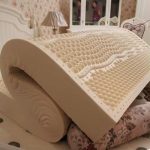
- Physical Home Store: Display cut latex core samples next to cut memory foam so customers visually see pore structure difference.
- Hotel & Airbnb Bulk Sales: Emphasize longer replacement cycle to lower long-term procurement expenditure.
- Social Media Reels: Simple side-by-side compression test: show latex springs back instantly, generic foam holds indentation.
Conclusion
- Cooler sleep thanks to open-cell airflow
- Durable instant rebound without permanent flattening
- Mild natural odour instead of harsh chemical off-gassing
- Longer usable life delivering superior long-term value
- Hygiene-friendly removable cover system
FAQ
Q1: Can I use “hypoallergenic” in marketing?
A: Use cautiously. If you lack independent dust mite test reports, safer wording: Creates a less favourable environment for dust mites.
Q2: Should I show compression test videos comparing latex and memory foam?
A: Yes, it is highly persuasive. Ensure footage is authentic and not edited to mislead performance.
Q3: Is Talalay more marketable than Dunlop when competing with generic foam?
A: Talalay feels softer, but Dunlop has better cost balance. For mass competition against low-price foam, prioritize Dunlop and highlight durability and breathability.
