





The Science of Medical Gel: Why It’s Ideal For Patient Positioning During Surgery
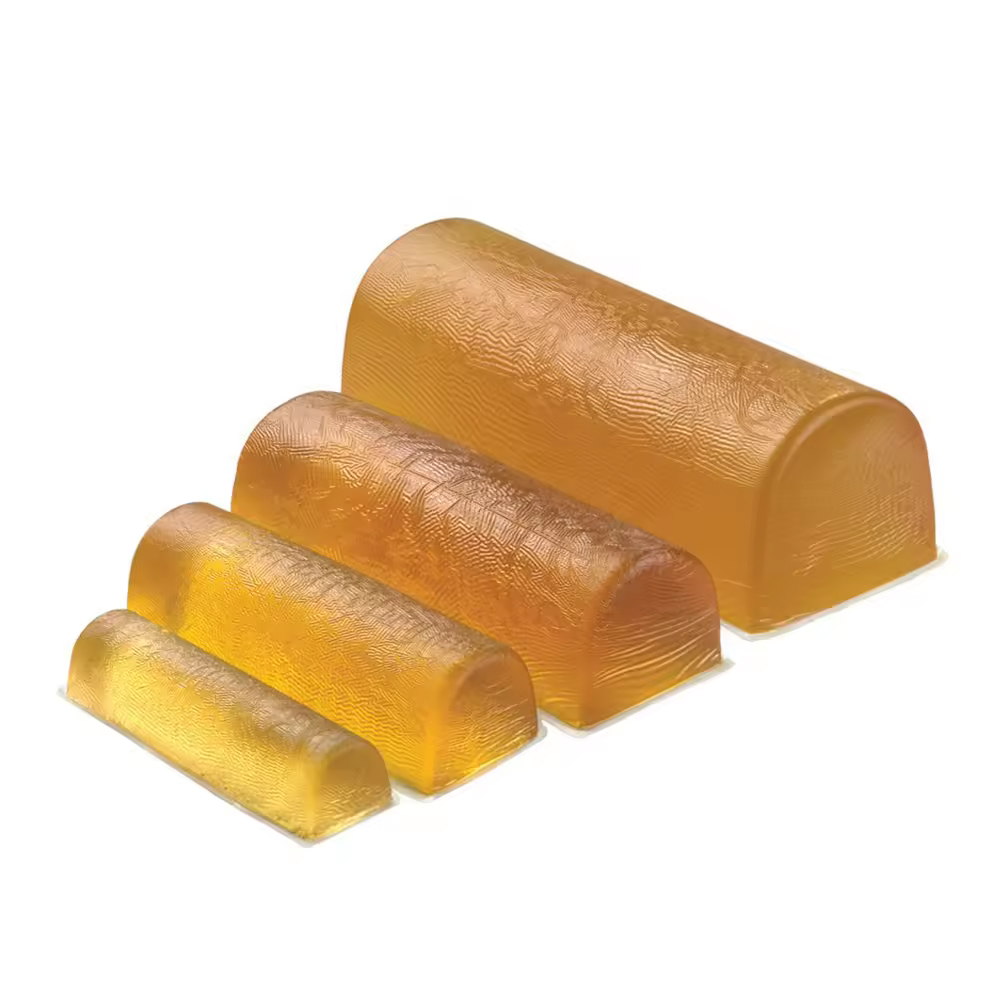
Every year, operating rooms globally treat thousands of patients who develop avoidable tissue injuries due to poor support during anesthesia. Foam, air mattresses and water cushions have long been used for patient positioning, yet modern surgical facilities increasingly shift toward medical gel positioning pads.
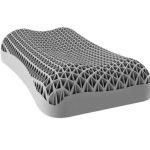
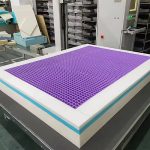
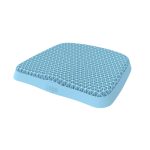
The advantage is not just comfort — it stems from the unique physical properties of medical-grade viscoelastic gel. Understanding the material science behind this substance explains why it has become the gold standard for safe patient positioning in long, complex surgeries.

What Is Medical-Grade Viscoelastic Gel?
- Viscous behaviour: Slowly flows and conforms to uneven surfaces under constant pressure
- Elastic behaviour: Returns to its original shape once load is removed
Key Scientific Properties That Benefit Surgical Patients
1. Peak Pressure Redistribution
Hard operating table surfaces concentrate weight onto bony prominences: heels, sacrum, shoulder blades, hip crests and cheekbones. Concentrated pressure compresses capillaries, cutting oxygen supply to soft tissue and triggering pressure injuries.
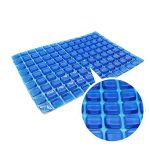
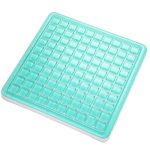
Viscoelastic gel deforms gradually under body weight, spreading load across a far wider contact surface. Clinical testing confirms premium medical gel can reduce peak contact pressure by 30%–50% compared to standard foam.
2. Resistance to Compression Set
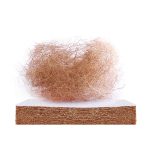
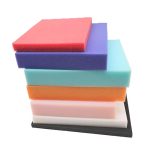
A major flaw of conventional foam is compression set. After several hours of continuous weight, foam cells permanently deform and cannot bounce back to full thickness. Support quality deteriorates as surgery continues.
Viscoelastic medical gel avoids permanent compression set. Even under sustained loading for 4–8 hour spine, orthopaedic or bariatric surgeries, it maintains consistent cushioning from incision to closure.
3. Minimisation of Shear Force and Friction
- Shear occurs when skin stays stationary while underlying tissue slides, tearing tiny blood vessels
- Friction abrades the outer skin layer and increases ulcer vulnerability
The smooth sealed outer shell paired with the gel’s damping effect absorbs lateral movement and greatly lowers shear stress — a critical benefit for patients fixed in lateral, prone or lithotomy surgical positions.
4. Thermally Neutral Performance
Many cushion materials trap heat against the patient’s skin. Higher local temperature accelerates tissue metabolism. When blood flow is restricted, oxygen demand rises and tissue damage occurs faster.
Medical viscoelastic gel conducts heat evenly and does not trap excess thermal energy. It maintains a neutral surface temperature throughout surgery to reduce additional strain on compromised tissue.
5. Vibration & Shock Absorption
Material Science Comparison Table
| Scientific Performance Metric | Medical Viscoelastic Gel Pad | High-Density Foam Pad | Air-Filled Positioning Cushion |
|---|---|---|---|
| Viscoelastic conformability | Excellent; moulds to body geometry | Low; rigid rebound, limited shaping | Moderate; relies on fluid movement |
| Resistance to compression set | Very high; no permanent flattening | Low; permanent deformation after hours of load | Medium; maintains shape if fully inflated |
| Peak pressure reduction | 30%–50% reduction on bony landmarks | 10%–20% reduction | 25%–40% reduction |
| Shear force attenuation | Superior | Poor | Moderate |
| Thermal build-up risk | Low (thermally neutral) | Medium to high heat trapping | Medium |
| Fluid barrier capability | Excellent with sealed PU/silicone casing | Poor; open-cell structure absorbs fluids | Good, vulnerable at seams and valves |
| Stability under lateral positioning | High, anti-slip mass base | Low, lightweight and prone to sliding | Low, easily drifts sideways |
Limitations of Medical Gel (Material Perspective)
- Higher density makes gel pads heavier than foam alternatives
- Standard gel models cannot withstand autoclave high-temperature sterilisation; only surface wipe disinfection is permitted unless specially engineered
- Initial procurement cost is higher than disposable or basic foam positioning equipment
Ideal Surgical Scenarios Powered by Gel Material Properties
- Long-duration spine surgery in prone positioning
- Orthopaedic joint replacement operations
- Bariatric surgery for high-body-mass patients
- Complex reconstructive plastic surgery
- Extended radiology and interventional radiology procedures requiring stationary patient positioning
Frequently Asked Questions
Q1: Is all gel the same? Can generic gel replace medical-grade viscoelastic gel?
Q2: Does gel become soft or stiff under extreme room temperatures?
Q3: How long will the viscoelastic performance last with regular use?
Closing Paragraph
The widespread adoption of medical gel positioning pads is not a market trend — it is backed by material science. Viscoelastic gel uniquely solves the core physical challenges of safely supporting immobile anaesthetised patients. For surgery centres aiming to lower intraoperative pressure injury risk and improve patient safety standards, gel positioning systems deliver measurable clinical advantages over older cushion technologies.
Contact our team to review our full line of surgical gel positioners, download technical data sheets and discuss bulk wholesale solutions for your medical facility.
