





Sustainable Bedding Trend: Recyclable TPE Grid Pillow For Private Label Brands
Introduction
Sustainability is no longer a niche marketing slogan for bedding brands — it has become a core purchasing criterion for consumers, retailers, and large distributors across North America and the EU.
Regulations, marketplace policies, and rising eco-conscious shoppers push private label operators to phase out single-use plastics and non-recyclable sleep products. Conventional foam pillows often end up in landfills with no simple recycling route. Many natural bedding materials face high production carbon footprints.
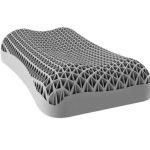
Recyclable SEBS TPE grid pillows emerge as a balanced sustainable solution for private label brands. They combine functional cooling support, washable hygiene, and circular material advantages. This guide breaks down market opportunities, product comparisons, marketing angles and practical sourcing advice for B2B brand buyers.

1. Why Sustainable Bedding Becomes Mandatory For Private Label Brands
- Consumer preference: Modern shoppers actively search “zero waste bedding”, “recyclable pillow” and prioritize brands with clear eco claims;
- EU & US market requirements: Retail chains, Amazon and large offline distributors require suppliers to provide material sustainability statements;
- Brand differentiation: Thousands of private labels sell memory foam and latex bedding. Sustainable TPE products create unique selling propositions;
- Circular economy appeal: Hotel groups and corporate clients gradually favor reusable, recyclable amenities to achieve ESG goals.
2. Recyclable TPE Grid Pillow VS Other Common Bedding Fillers
| Comparison Item | Recyclable SEBS TPE Grid Pillow | Memory Foam Pillow | Natural Latex Pillow | Polyester Fiber Pillow |
|---|---|---|---|---|
| Recyclability | ✅ Fully recyclable pure SEBS material | ⚠️ Hard to recycle, mixed chemical formula | ⚠️ Limited recycling channels | ⚠️ Most low-grade polyester is non-recyclable |
| Production Carbon Footprint | Medium | High | Medium-High | Medium |
| Reusability Lifespan | 3–5 years, long service cycle | 1–3 years, easy to lose shape | 2–4 years | 6–18 months |
| Fully Washable | ✅ Yes | ❌ Not soakable | ⚠️ Only surface cleaning | ✅ Yes, fast compression & flattening |
| Eco Marketing Potential | ★★★★★ Clear recyclable selling point | ★★☆☆☆ Limited green messaging | ★★★★☆ Natural material marketing | ★★☆☆☆ Generic eco claims only |
| Chemical Additives (Premium Grade) | Low-VOC, food-grade formula | Multiple chemical additives | Vulcanization agents included | Varies widely by quality |
| Fit For Private Label Eco Series | Excellent | Poor | Good | Average |
3. Core Sustainable Advantages of SEBS TPE Grid Pillow
3.1 Recyclable single-component structure
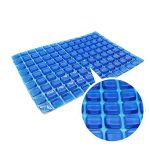
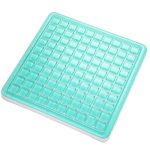
High-quality TPE grid pillows adopt pure SEBS raw material without composite glue or mixed fillers. Once the product reaches end-of-life, materials can be collected, melted and reproduced for new TPE products, greatly reducing landfill waste.
3.2 Extend service life to cut waste
Durable elastic grid structure resists permanent deformation. Longer usable time means consumers replace pillows less frequently, lowering overall bedding consumption.
3.3 Repeated washing avoids frequent replacement
Complete machine wash capability removes dust, sweat and allergens. Users do not need to discard pillows due to hygiene problems, further supporting circular usage.
3.4 Low harmful emissions
Top-tier SEBS TPE contains no PVC, phthalates. It satisfies OEKO-TEX and REACH standards, supporting brands to launch non-toxic, eco-safe product descriptions.
4. Private Label Marketing Strategies For Sustainable TPE Pillows
4.1 Build a dedicated eco bedding product line
Position recyclable TPE grid pillow as the flagship of your sustainable bedding series, matched with recycled fabric pillowcases. Form a complete green product portfolio instead of selling it as an isolated SKU.
4.2 Standardize verifiable eco claims
Avoid vague wording such as “environmentally friendly”. Focus on concrete selling points: 100% recyclable SEBS material, zero phthalates, fully washable to extend product lifespan. Prepare material test reports for retailer audits.
4.3 Target high-value eco consumer segments
Market towards hot sleepers, allergy sufferers, eco families, sustainable boutique retailers and eco-resort hospitality buyers. These groups are willing to accept moderate premium pricing for green bedding.
5. Key Sourcing Checklist For Private Label Buyers
- Confirm whether the supplier uses pure SEBS or blended recycled TPE; blended materials weaken recyclability and elasticity;
- Request material safety datasheets and recyclability descriptions for your product listing and brand page;
- Design eco-friendly packaging: choose recycled paper boxes, minimize plastic bags to match your sustainable positioning;
- Clarify customization options: grid structure, height, color can be adjusted for exclusive private label series.
Conclusion
The sustainable bedding wave will keep reshaping global home textile markets. For private label brands, simply following traditional bedding categories will lead to homogeneous competition.
Recyclable SEBS TPE grid pillows perfectly merge sleep functionality and environmental values. It is an ideal SKU to capture eco-focused consumers and satisfy procurement requirements from large sustainable retailers.
If you plan to expand your green bedding collection, reach out to our team to get samples, technical data and private label OEM solutions.
FAQ
FAQ 1: Are all TPE grid pillows recyclable?
No. Only pillows made from pure SEBS TPE support recycling. Many low-cost products mix waste plastic, rubber and additives, which cannot be recycled separately. Always confirm raw material composition with your supplier before bulk orders.
FAQ 2: Can I label my TPE pillow “zero waste bedding” for sales?
You need to comply with regional advertising regulations. “100% recyclable SEBS material” is safer and verifiable. Overly exaggerated zero-waste slogans may face compliance risks in the US and EU.
FAQ 3: Does recyclable TPE cost much higher than regular memory foam?
Premium SEBS TPE carries slightly higher wholesale costs, yet you can position the product as sustainable mid-premium goods. Eco-conscious customers accept higher retail prices, leaving healthy profit margins for private labels.
FAQ 4: How should I describe TPE recyclability on product packaging & listings?
Focus on clear, factual language: Constructed with pure recyclable SEBS TPE; free from PVC & phthalates; long service life reduces bedding waste. Attach test reports when cooperating with large retail distributors.
FAQ 5: Can I combine recyclable TPE pillows with other sustainable bedding products in bundles?
Absolutely. Pair them with recycled polyester pillowcases, organic cotton sheets to launch complete eco sleep sets. Bundling helps lift average order value and strengthens your sustainable brand image.
