






Single Layer vs Layered Zoned Latex Mattress: Pros, Cons & Buying Guide

1. Basic Structural Definition
Also called one-block monolithic latex mattress.
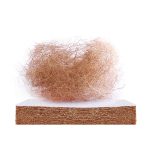
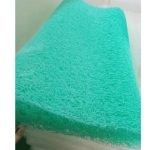
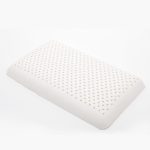
The entire comfort core is a single integrated large latex block, poured and vulcanized in one mold. No cutting, no stacking, no bonding between different firmness layers.
- Usually full Dunlop firm block or full Talalay soft block
- Uniform density and firmness across the entire mattress surface
- Only the outer fabric cover wraps the single latex slab
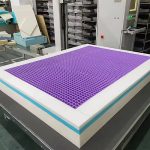
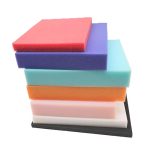
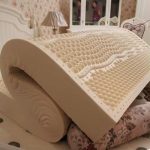
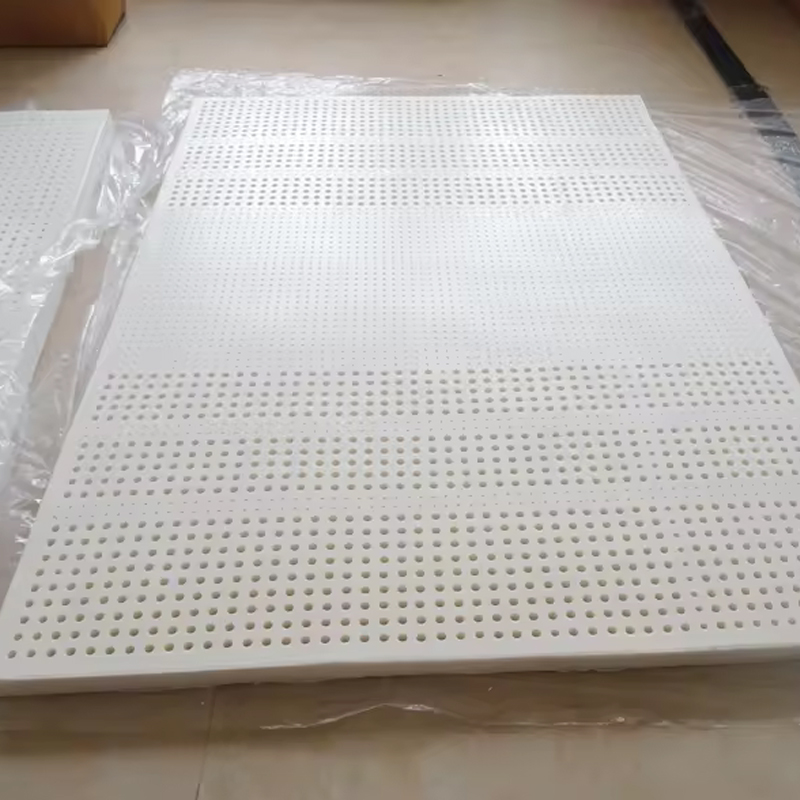
Built by stacking multiple latex sheets with different firmness, density and functions vertically. Premium models further add horizontal zoning (body zone partitioning) on the core layer.
Typical classic stack combination:
- Top comfort layer: Soft Talalay latex for shoulder & hip pressure relief
- Middle transition layer: Medium-firm Dunlop latex for gradual support
- Base support layer: High-density firm Dunlop latex for anti-bottoming load bearing
2. Pros & Cons of Single Layer Solid Latex Mattress
Advantages of Single Block Latex
2.1 Zero Layer Separation Risk, Ultra Stable Structure
2.2 No Foreign Adhesive, Purer Material Safety
2.3 Consistent Firmness Everywhere, No Weird Sinking Difference
2.4 Longer Service Lifespan
2.5 Lower Production Cost, More Budget-Friendly
Disadvantages of Single Layer Latex Mattress
2.1 One Firmness Fits All, Cannot Do Targeted Ergonomic Support
- If full firm Dunlop: too rigid for side sleepers’ protruding hips and shoulders, causing pressure points
- If full soft Talalay: insufficient lumbar lift for back/stomach sleepers and heavy people, easy spinal over-sinking
2.2 Poor Adaptability for Couple Different Weight Needs
2.3 Limited Customization Flexibility
3. Pros & Cons of Layered Zoned Latex Mattress
Advantages of Multi-Layer Zoned Latex
3.1 Ergonomic Progressive Support, Perfect for Back Pain
- Soft top Talalay layer: cradles shoulders, hips, knees to release sharp pressure
- Firm zoned lumbar insert: pushes up the lower back to maintain neutral spine alignment
- High-density base block: prevents overweight users from bottoming out
This gradient support directly reduces morning back stiffness, herniated disc discomfort and sciatic nerve compression, the top choice for therapeutic sleep.
3.2 Compatible with Mixed Sleeping Positions
3.3 Solves Couple Weight Mismatch Problem
3.4 Adjustable Comfort Customization Potential
3.5 Better Motion Isolation Than Single Layer Latex
Disadvantages of Layered Zoned Latex Mattress
3.1 Risk of Layer Shifting & Delamination Over Time
3.2 Slight Extra Off-Gassing from Adhesives
3.3 Higher Price Point
3.4 Slightly Shorter Maximum Lifespan
4. Direct Side-by-Side Comparison Table
| Comparison Item | Single Layer Solid Latex Mattress | Layered Zoned Latex Mattress |
|---|---|---|
| Support & Back Pain Performance | Uniform full-surface firmness, no targeted lumbar reinforcement, average relief for back discomfort | Gradient ergonomic zoning with lumbar support, outstanding spinal alignment for chronic back pain & sciatica |
| Structure Stability & Lifespan | One-piece molded block, zero delamination risk, service life 20–25 years | Stacked glued layers, slight long-term shifting risk, service life 15–20 years |
| Chemical Safety & Off-Gassing | Almost no adhesive used, lowest VOC, ideal for chemically sensitive people | Small amount of water-based glue applied, negligible extra faint odor initially |
| Applicable Crowd & Cost | Budget single sleepers, fixed sleep positions, cost-effective option | Couples with weight gaps, side sleepers, mixed sleeping positions, higher premium price |
5. Clear Buying Recommendation: Choose Which One?
Pick Single Layer Solid Latex If You Belong To:
✅ Single sleeper with fixed sleeping position (mostly back or stomach sleeping)
✅ Extremely sensitive to any glue and chemical additives
✅ Want a super durable mattress to last 20+ years without any structural failure
✅ Strict limited budget, pursue pure natural latex at the lowest cost
✅ Prefer totally consistent firmness across the entire bed surface
✅ No chronic lower back pain, only require basic supportive sleep
Pick Layered Zoned Latex Mattress If You Belong To:
✅ Suffer from lower back pain, lumbar strain, herniated disc or sciatica
✅ Side sleeper needing deep hip & shoulder pressure relief
✅ Couple sharing bed with large weight difference between two people
✅ Frequently switch sleeping positions every night
✅ Willing to pay premium price for ergonomic therapeutic zoning support
✅ Hope to reduce partner nighttime movement disturbance
Final Verdict
If your top priority is purity, ultra-long durability and cost performance, go for a high-density single-layer Dunlop latex mattress.
If your core demand is ergonomic spine protection, pressure point relief and adaptive comfort for diverse sleepers, a well-made layered zoned latex mattress with reinforced lumbar zones is the worthwhile premium choice. For most family users with back health concerns, zoned layered latex has higher comprehensive practical value.
5 FAQ
-
Is zoned layered latex better for back pain than single layer?
Yes. Layered zoned latex adds firmer lumbar support zones and soft top comfort layers, which maintains spinal neutral alignment better than uniform single-block latex.
-
Will layered latex separate after years of use?
Top-tier products use water-based glue and fabric quilting fixation with minimal shifting risk; low-cost cheap layered latex may have delamination problems.
-
How long does a single block latex mattress last?
High-quality 100% natural Dunlop single layer latex can normally serve 20–25 years without sagging.
-
Can side sleepers use single layer latex mattress?
They can, but only soft Talalay single block. Firm Dunlop single layer lacks enough cushion for hip pressure points and may cause discomfort.
-
Are zoned latex mattresses worth the extra money?
Worth it for back pain sufferers, mixed-position sleepers and couples with weight gaps; single layer is enough for budget single users.
