






Quality Control Standards When Importing Motorcycle Gel Cushions From China
Introduction
1. Agree QC Standards With Manufacturer Upfront
- Approved pre-production sample acts as the gold standard for all mass production
- Clear acceptable quality limit (AQL): Industry standard AQL 2.5 for major defects; AQL 4.0 for minor defects
- Full technical specification sheet attached: gel type, thickness tolerance, fabric, printing standard, dimension range
- Rights to arrange third-party inspection (SGS, BV, Intertek) before shipment
- Remedy clauses: rework, replacement or partial refund if goods fail inspection
2. Raw Material Incoming Quality Control (IQC)
2.1 Gel Core Material Verification
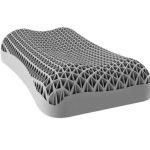
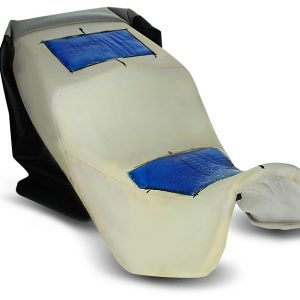
UV-Stabilized TPE Honeycomb Gel (Premium Model)
- Confirm raw material contains HALS anti-UV additives; request MSDS and aging test reports
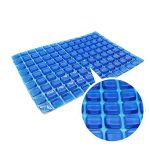
- Honeycomb structure is uniform, no broken holes or incomplete molding
- No strange pungent odor at room temperature
- Hardness consistent with signed sample
- No oil residue on surface
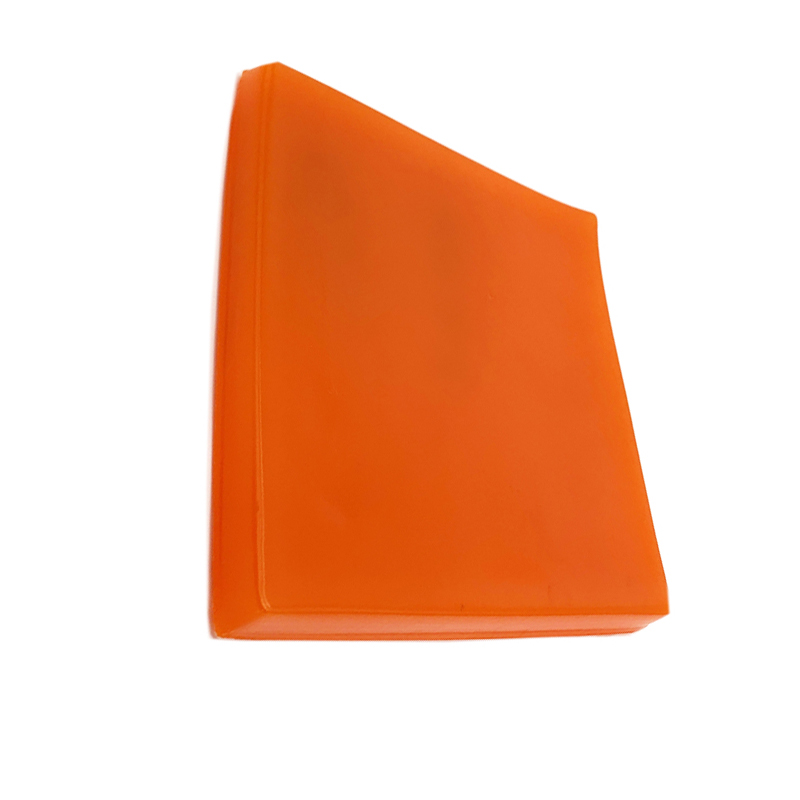
Solid Silicone Gel (Budget Model)
- Smooth forming, no bubbles inside gel block
- No surface tackiness in normal temperature environment
- Uniform density, no local hard spots
Critical risk: Many factories mix recycled materials. Explicitly require virgin raw material only if specified in your order.
2.2 Outer Fabric Inspection
- Fabric color matches confirmed Pantone or sample
- No stains, scratches, yarn jump, damage
- Fabric roll without mildew
- 3D spacer mesh: uniform mesh thickness; no compression deformation
- PU / TPU Oxford: no pinholes affecting water resistance
2.3 Auxiliary Materials
- Elastic straps: sufficient tensile strength, no easy breakage
- Anti-slip bottom mat: good friction resistance; firmly bonded
- Zipper (removable cover model): smooth pulling, no stuck teeth
- Sewing thread: matching color, high tensile strength
3. In-Line Quality Control (IPQC) During Production
Ask factory to provide random production photos/videos during mass production for spot check.
Key monitoring points:
- Gel molding temperature control to avoid incomplete forming or overheating degradation
- Precise thickness control: tolerance ±1mm (25/35/45mm core)
- Fabric cutting dimension tolerance ±2mm
- Stitching: straight seam, consistent stitch density, no skipped stitches, loose threads trimmed
- Logo printing: no blurring, offset, peeling, color deviation
- Lamination between gel core and anti-slip base: no partial separation or bubbles
4. Finished Product Quality Control (FQC) — Full Inspection Checklist
4.1 Visual Appearance Inspection
- Outline shape consistent with approved sample
- No scratches, dents, deformation on gel core
- Fabric without dirt, damage, color difference
- Neat stitching; excess threads cleaned
- Logo position, size and color match confirmation
4.2 Dimension & Thickness Measurement
- Overall length, width within agreed tolerance
- Multiple points measured for gel thickness; avoid uneven thickness
Common defect: Middle thicker, edge thinner, affecting riding comfort
4.3 Compression Rebound Test
Apply continuous pressure for 30 seconds, release.
Standard: Gel fully rebounds within 5 seconds, no permanent indentation.
Failed product: Poor elasticity → customer complaints about flattening quickly.
4.4 High-Temperature Accelerated Test (Key For Outdoor Use)
Randomly select samples, place under 60°C environment for 4 hours.
Pass standard:
- No surface oil bleeding
- No obvious sticky feeling
- No strong odor release
Major failure: Low-grade gel leads to mass complaints in hot climate markets.
4.5 Assembly Function Test
- Elastic straps installed firmly; can withstand pulling without falling off
- Removable cover zipper opens and closes smoothly
- Anti-slip mat stays attached after repeated bending
4.6 Packaging Inspection
- Individual polybag / color box as customized requirement
- FBA shipment: Comply with suffocation warning label rules
- Outer carton strength; avoid crush damage during ocean shipping
- Mark carton clearly with quantity, SKU code
5. Pre-Shipment Inspection (PSI)
5.1 Inspection Timing
5.2 Sampling Rule
- Major Defect: AQL 2.5
- Minor Defect: AQL 4.0
5.3 Defect Classification
Major Defects (Reject Batch Once Detected Beyond Limit)
- Wrong gel material (TPE replaced by ordinary silicone)
- Serious thickness out of tolerance
- Gel oil bleeding, strong odor
- Permanent deformation after compression test
- Large area fabric damage
- Logo completely wrong or unrecognizable
- Anti-slip layer large-area peeling
Minor Defects (Allow limited quantity)
- Tiny loose threads
- Slight color difference not obvious to naked eyes
- Small offset of logo position within allowable range
- Minor stitching irregularity without impact on durability
6. Third-Party Inspection Arrangement Tips
- Send your complete QC checklist to the inspection company in advance together with approved sample photos
- Assign inspector to verify gel material type; many general inspectors cannot distinguish TPE honeycomb and silicone
- Require photos and video records of thickness measurement and rebound test
- If inspection fails: Negotiate timeline for factory rework or discuss compensation solution before shipment
7. Most Frequent Quality Problems & Prevention Methods
- Gel pad turns sticky after using several weeks outdoors
Prevention: Mandate UV-stabilized TPE; conduct high-temperature test during QC. Ban factories from using non-UV modified raw materials.
- Uneven thickness
Prevention: Specify multi-point thickness test; reject goods with edge thickness deviation >1.5mm.
- Cover zipper breaks easily
Prevention: Confirm zipper brand specification in advance; sample durability test.
- Printed logo peels off after friction
Prevention: Factory must conduct friction test on printing; select suitable printing method based on fabric.
- Anti-slip base falls off
Prevention: Check bonding process in IPQC; avoid insufficient adhesive pressing time.
FAQ
Q1: Should I send the physical approved sample to the third-party inspector?
A: Highly recommended. Digital photos are not enough for color, texture and shape comparison. Ship one sealed pre-production sample to inspection office or factory site for direct comparison.
Q2: What AQL level is most suitable for Amazon private label gel cushions?
A: Suggest AQL 2.5 for major defects and AQL 4.0 for minor defects. Stricter than general wholesale goods to reduce negative reviews and returns on e-commerce platforms.
Q3: Can I ask the factory to provide internal QC reports instead of third-party inspection?
A: Factory self-inspection reports can be used as reference, but cannot replace independent third-party audit. For large batch orders, independent inspection effectively avoids biased internal testing results.
Q4: If goods fail pre-shipment inspection, who bears rework cost?
A: Clearly define in contract: If non-compliance is caused by factory not following specifications, all rework labor and material costs belong to the manufacturer.
Q5: How to verify whether the gel is added with anti-UV additives during inspection?
A: Visual inspection cannot identify additives. You need to request official raw material aging test reports from material suppliers. You can also arrange SGS accelerated UV aging testing on random finished samples.
Q6: Does ocean container transport affect gel cushion quality?
A: Long sea transportation with high temperature and humidity may accelerate aging of low-grade gel. Ensure finished goods are dry before packing; avoid storing finished products in humid factory warehouses for a long time.
Q7: How to handle quality deviation found after receiving goods?
A: Collect photos, videos and keep original packaging evidence. Compare products with sealed pre-production sample. Contact supplier immediately within agreed claim period. The pre-signed QC standard document will be the core evidence for negotiation.
