






Pressure Ulcers In Surgery: Prevention Tips Using Gel Positioner Pads
Surgical-acquired pressure ulcers (SAPUs) are one of the most common preventable complications in modern operating rooms. Unlike ward bedsores, intraoperative pressure injuries can develop in as little as 1–2 hours during anesthesia, even on healthy patients. Immobility, hard surgical tabletops, concentrated bony pressure, and impaired circulation under sedation create the perfect conditions for rapid tissue damage.
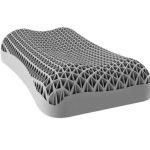
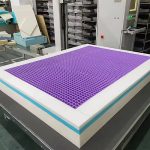
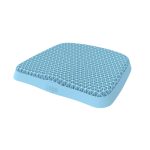
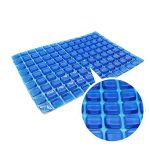
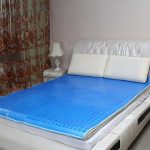
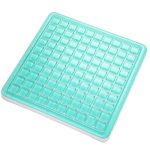
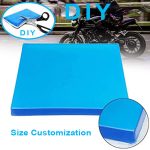
Among all preventive tools available to OR teams, medical gel positioner pads stand out as the most reliable, cost-effective solution for consistent pressure redistribution. This article breaks down why surgery-related pressure ulcers form, which patients are high-risk, and actionable clinical tips to prevent them using gel positioning systems.

What Are Surgical-Acquired Pressure Ulcers (SAPUs)?
Surgical pressure ulcers are tissue injuries that develop during operative procedures, caused by unrelenting mechanical pressure on bony prominences. Anesthetized patients cannot shift their body weight to relieve compression, leading to capillary occlusion, tissue ischemia, and skin breakdown.
Most surgical bedsores appear on high-contact areas:
-
Sacrum and coccyx
-
Heels and ankles
-
Shoulder blades and elbows
-
Hip bones and lateral knees
-
Cheekbones and forehead (prone positioning)
These injuries often present postoperatively, delaying patient recovery, increasing hospital stay durations, and raising clinical liability risks for surgery centers.
Key Risk Factors for Intraoperative Pressure Injuries
Pressure ulcer risk spikes significantly when these factors overlap:
-
Long-duration surgery: Procedures lasting over 2 hours drastically increase tissue damage risk.
-
Fixed surgical positioning: Prone, lateral, and lithotomy positions create extreme focal pressure.
-
High-risk patient groups: Bariatric, diabetic, elderly, and vascular-compromised patients.
-
Traditional low-performance padding: Foam cushions flatten quickly and fail to sustain protection.
-
Shear and friction force: Minor patient shifting stretches subcutaneous blood vessels.
Why Standard Foam Pads Fail to Prevent Surgical Pressure Ulcers
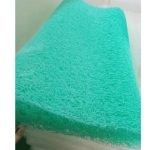
Many clinics still rely on foam positioning pads and folded linens for patient support. However, these temporary solutions cannot handle prolonged surgical pressure, leading to avoidable ulcers.
Foam padding suffers from two critical flaws:
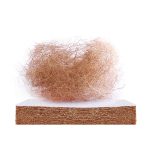
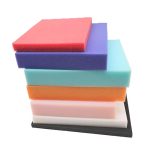
First, progressive compression set: Foam cells gradually collapse under continuous body weight, losing cushioning thickness mid-surgery and exposing bony points to direct table pressure.
Second, poor pressure dispersion: Foam rebounds rigidly, creating counter-pressure instead of evenly distributing load, which concentrates stress on vulnerable tissue areas.
Gel Positioner Pads vs Foam Pads for Pressure Ulcer Prevention (Comparison Table)
The following clinical comparison clearly explains why gel pads are the gold standard for intraoperative pressure injury prevention:
|
Performance Metric
|
Medical Gel Positioner Pads
|
Foam Positioning Pads
|
|---|---|---|
|
Peak pressure reduction
|
30–50% reduction on bony prominences
|
Only 10–20% minimal relief
|
|
Long-surgery stability (2+ hours)
|
No permanent compression, consistent support
|
Severe flattening, lost cushioning over time
|
|
Shear & friction reduction
|
Excellent sealed surface minimizes tissue trauma
|
High friction, increases ulceration risk
|
|
Fluid resistance & hygiene
|
Waterproof sealed cover, easy full disinfection
|
Porous structure absorbs bodily fluids, hard to sanitize
|
|
Anti-slip positioning stability
|
High weight stability prevents patient shifting
|
Lightweight, easy to slide and shift
|
|
Reusable lifespan
|
3–5 years clinical service life
|
6–12 months before replacement needed
|
Evidence-Based Prevention Tips: How to Use Gel Positioner Pads to Avoid Pressure Ulcers
Gel pads deliver maximum ulcer prevention results when used with standardized OR protocols. Follow these professional tips for zero preventable intraoperative pressure injuries:
1. Match Gel Pad Shapes to Pressure-Prone Body Zones
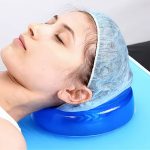
Use specialized gel positioners for specific high-risk areas instead of universal flat pads. Deploy gel heel pads, sacral cushions, head donuts, lateral hip wedges, and arm supports to isolate and protect bony prominences directly. Targeted padding eliminates focal pressure far better than generic cushions.
2. Avoid Over-Padding and Layered Cushions
Stacking multiple pads creates unstable support, increases shear force, and disrupts natural body alignment. Use one properly sized medical gel positioner per pressure point to maintain neutral patient positioning and consistent pressure distribution.
3. Inspect Gel Pads Before Every Surgical Case
Damaged pads lose protective performance. Check for cover tears, gel leakage, permanent dents, or surface degradation before use. Defective gel pads cannot reduce pressure or resist friction, leading to hidden tissue injury risks.
4. Prioritize Gel Positioning for High-Risk Patients & Long Surgeries
Flag all patients with obesity, diabetes, poor circulation, or advanced age for mandatory gel pad placement. For any procedure exceeding 90 minutes, replace foam padding entirely with medical gel positioning systems to eliminate SAPU risks.
5. Maintain Clean, Dry Gel Pad Surfaces
Moisture from sweat, antiseptic solution, or blood increases skin vulnerability to breakdown. Wipe and disinfect gel pad surfaces before each use to keep contact areas dry, clean, and low-friction.
6. Combine Gel Support with Neutral Body Alignment
Even the best gel pads cannot fix poor positioning. Ensure patients maintain neutral spinal and limb alignment to avoid unnatural tension, nerve compression, and shear stress on soft tissue.
Why Gel Pads Are a Long-Term Pressure Ulcer Prevention Investment
While gel positioner pads have a higher upfront cost than foam alternatives, they deliver unmatched long-term clinical and financial value. Fewer postoperative pressure ulcers reduce patient complaints, shorten hospital recovery times, minimize readmission rates, and lower facility malpractice risks. Their multi-year reusability also drastically cuts recurring procurement costs compared to frequently replaced foam pads.
Frequently Asked Questions
Q1: Can surgical gel pads completely prevent intraoperative pressure ulcers?
A1: When used correctly with standardized positioning protocols, medical gel pads eliminate over 90% of preventable surgical pressure injuries. They are the most effective non-pharmacological prevention tool available for operating rooms.
Q2: How quickly do surgical pressure ulcers develop?
A2: Tissue ischemia can start within 30 minutes of unrelieved pressure. Visible skin breakdown and stage 1–2 pressure ulcers commonly develop after 1–2 hours of immobile surgical positioning.
Q3: Can you reuse medical gel position pads after each surgery?
A3: Yes. Hospital-grade sealed gel pads are fully reusable with routine surface disinfection, offering safe, long-term performance for clinical environments.
Final Conclusion
Surgical pressure ulcers are avoidable with the right equipment and standardized workflows. Medical gel positioner pads solve the core challenges of intraoperative pressure concentration, shear force, and long-duration support failure that plague traditional foam padding. For surgery centers committed to boosting patient safety, reducing complications, and optimizing clinical outcomes, gel positioning systems are an essential OR supply.
Contact our team to explore full-size, custom, and body-part-specific surgical gel positioner pads for your facility, and request technical specifications or wholesale pricing.
