Polyurethane Foam Density Explained – How Density Affects Comfort & Durability
Introduction
When sourcing polyurethane foam for mattresses, sofa cushions, pillows or custom padding, density is the most critical technical specification you will encounter. Many buyers confuse foam density with firmness, and wrong density selection leads to early sagging, poor support and unsatisfactory comfort.
Foam density directly determines how long your polyurethane foam lasts, how well it supports body weight, and its overall load-bearing performance. This complete guide explains foam density terminology, density grades, the difference between density and firmness, and how to select the right density foam for bedding, furniture and commercial wholesale orders.
polyurethane foam manufacturer
What Is Polyurethane Foam Density?
Foam density measures the mass of foam per unit volume. For flexible polyurethane foam, the standard global measurement unit is kilograms per cubic meter (kg/m³). In North America, pounds per cubic foot (PCF) is also widely used.
Formula simplified:
Density = Foam Weight ÷ Foam Volume
Simply put: Higher density means more raw polyurethane material packed into the same space. A denser foam block contains more polymer structure and fewer empty air voids.
Important Note: Density ≠ Firmness
Density reflects how much material is inside the foam (durability indicator).
Firmness (ILD/IFD) measures how hard or soft the foam feels under pressure (comfort indicator).
It is possible to have soft high-density foam and firm low-density foam.
Common Density Grades for Flexible Polyurethane Foam
Flexible PU foam used in bedding and furniture is categorized into low, medium and high density ranges. Below is the widely accepted industry classification.
Density Grade
Density Range (kg/m³)
Core Characteristics
Typical Lifespan
Low Density Foam
16 kg/m³ – 22 kg/m³
Lightweight, low raw material content, soft feel, prone to permanent compression
1 – 3 years under regular use
Medium Density Foam
23 kg/m³ – 32 kg/m³
Balanced cost and durability, moderate support, suitable for light use
3 – 6 years
High Density Foam
33 kg/m³ and above
Robust internal structure, strong anti-sagging performance, stable support
Low-density foam has thinner cell walls. Under continuous body weight, cell structures crush permanently. Over time, visible indentations form and foam cannot bounce back.
High-density polyurethane foam has thicker, stronger cell frameworks. Cells withstand repeated compression without collapsing. For high-traffic applications such as sofa seat cushions and primary mattress layers, high density is non-negotiable.
2. Body Support & Pressure Relief
Low-density foam compresses too easily. Your body sinks deeply with insufficient underlying support, causing spinal misalignment, hip and shoulder pressure pain during sleep.
Medium and high-density foam delivers balanced support. It yields gently under weight while maintaining enough structure to hold your body in neutral posture. That explains why premium mattresses always adopt high-density base foam.
3. Breathability & Heat Retention
All other conditions equal: Lower density foam contains more air pockets and tends to breathe slightly better. However, extremely low-density foam compresses flat under load, eliminating airflow channels.
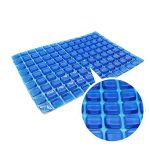
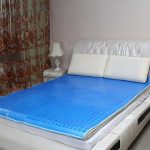
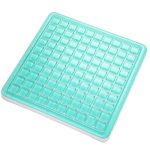
High-density open-cell foam can still maintain good ventilation when formulated properly. Gel-infused high-density PU foam further improves heat dissipation for mattresses.
4. Weight & Shipping Cost
Higher density foam weighs more for the same size. If you import bulk foam sheets, higher density increases ocean freight costs. Many wholesale buyers balance required durability and logistics expenses to select the optimal density grade.
5. Long-Term Comfort Consistency
Low-density foam loses comfort quickly. After months of use, it turns lumpy and uneven.
Quality high-density foam maintains consistent softness and support for years, without obvious flattening.
Density Recommendations for Common Applications
Bedding
Mattress base support layer: ≥ 30 kg/m³ high density foam
Mattress comfort top layers: 24–30 kg/m³ medium-high density
Standard foam pillows: 22–28 kg/m³
Thick mattress toppers: Minimum 25 kg/m³ to avoid rapid flattening
Furniture Cushions
Sofa seat cushions (heavy daily use): ≥30 kg/m³
Sofa back cushions, decorative throw cushions: 22–26 kg/m³
Dining chair pads: 28–32 kg/m³
Other Scenarios
Pet bed foam: 24–30 kg/m³ (depends on pet weight)
Light-duty packaging padding: Low density 16–20 kg/m³
Acoustic sound absorption foam: 18–24 kg/m³
Common Misconceptions About Foam Density
❌ Myth 1: “Hard foam equals high density”
Fact: Firmness is controlled by chemical formulation (ILD value). Manufacturers can produce soft high-density foam and stiff low-density foam. Always ask for both density AND IFD/ILD data.
❌ Myth 2: “Higher density is always better”
Fact: Unnecessary ultra-high density raises material and shipping cost. For occasional-use decorative cushions, medium density provides sufficient service life with lower costs. Match density to actual usage frequency.
❌ Myth 3: Certified foam (CertiPUR-US) automatically means high density
Fact: CertiPUR-US regulates VOCs and harmful chemicals. The certification does NOT guarantee density or durability. Safety and structural quality are separate standards.
How to Verify Foam Density When Sourcing Wholesale
Request official technical datasheets from your foam supplier with clear kg/m³ or PCF data
Avoid suppliers only describing foam as “high density” without specific figures
For sample testing: Compare weight of two foam blocks with identical dimensions; the heavier one has higher density
Include density specifications clearly within purchase orders to prevent material substitution
Frequently Asked Questions
Q1: What density foam is best for a mattress?
For long-lasting core support, select foam of 30 kg/m³ density or higher. Budget mattresses sometimes use 24–28 kg/m³ foam with shorter expected lifespans.
Q2: Can high-density foam still be soft?
Yes. Density controls durability, while IFD controls softness. Many premium mattress comfort layers use soft high-density polyurethane foam.
Q3: Will medium-density foam sag quickly?
Medium-density foam works well for low-to-medium frequency use. If used every day as sofa seat foam, expect visible wear faster than high-density alternatives.
Q4: Is memory foam density measured the same way as regular PU foam?
Yes. Memory foam is modified polyurethane foam; density testing standards are identical.
Final Thoughts
Polyurethane foam density is the foundation of foam durability. Understanding how density interacts with comfort helps you avoid costly purchasing mistakes. When negotiating with foam manufacturers, always specify your target density alongside required firmness, instead of relying on vague descriptions like “good quality foam”.
If you need custom-cut polyurethane foam with specified density for mattresses, cushions or wholesale distribution, contact our team. We offer flexible foam ranging from low to high density with CertiPUR-US compliant options and provide samples for testing.