





POE 4D Air Fiber Mattress vs Memory Foam: Cost & Maintenance for Hotel Projects
Hotel operators evaluate bedding solutions not only on guest comfort score, but also on cleaning labor, replacement frequency, and long‑term operational expenditure. Memory foam has long been mainstream for hotel and serviced‑apartment projects for its pressure‑relieving performance. POE 4D air‑fiber, with fully‑washable open‑network polymer structure, emerges as an alternative for high‑hygiene‑priority properties.
This article compares the two materials from up‑front procurement cost, daily hotel‑housekeeping workload, durability & replacement cycles, total cost of ownership (TCO), guest experience and risk points, to support hotel purchasing, hotel FF&E contractors and OEM mattress suppliers making data‑driven decisions.
1. Core Material Basics for Hospitality
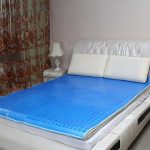
POE 4D Air‑Fiber Mattress Core
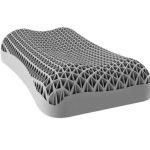
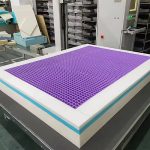
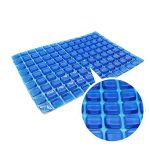
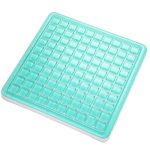
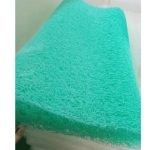
3D thermoplastic monofilament inter‑welded open‑void structure (void ratio >90%). No glue inside core. The whole core can be rinsed with water, drains and air‑dries rapidly; inherently resistant to dust‑mite nesting, mold and mildew buildup in humid coastal or tropical hotel environments. Delivers instant, spring‑type support rather than slow body‑conforming sink‑in.
Memory Foam (Visco‑elastic PU Foam)
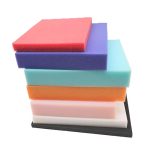
Polyurethane foam with temperature‑sensitive visco‑elasticity. Delivers classic “hugging” pressure relief. Core cannot be water‑washed. Liquid spills, body sweat and contaminants get trapped inside foam matrix; cleaning is limited to surface cover treatment only. Gel‑infused variants partially mitigate heat‑retention weakness, but do not resolve non‑washable limitationAlibaba.co….
2. Cost Comparison: Up‑front & Project Procurement
Price range: hotel‑grade queen‑size mattress core (OEM bulk order, FOB China, large MOQ for hospitality projects)
| Cost Item | POE 4D Air‑Fiber (Virgin‑grade, hotel‑spec) | Hotel‑Grade Memory Foam (high‑density hospitality PU) | Notes |
|---|---|---|---|
| Unit Up‑front Mattress Cost | High: +25%‑40% vs baseline memory foam | Moderate baseline | POE raw polymer and 3D welding process raise initial purchase expenseMade-in-Ch… |
| Freight & Container Loading | Light weight; can vacuum‑roll pack for export | Vacuum‑compressible standard | Both fit hotel container shipments; POE weight per m² lower |
| Cover requirement | Removable zipper cover mandatory (to access washable core) | Removable cover recommended | For memory foam, cover acts as the only contamination barrier |
| Initial FF&E Capital Expenditure | Higher CAPEX | Lower CAPEX | Budget‑constrained budget hotels tend to favor memory foam on first‑time fit‑out |
Critical business note: higher POE purchase price may be offset in multi‑year operation by lower replacement and sanitation‑related losses.
3. Hotel‑Focused Maintenance Comparison
This section reflects real housekeeping workflows in hotels, resorts and serviced apartments.
POE 4D Air‑Fiber Hotel Mattress
- Spill / stain incident response: Unzip cover for laundry; POE core can be rinsed with cold‑lukewarm water (<40℃). Drips through the open mesh, air‑dries in ventilated room within hours. No trapped moisture inside mattress core.
- Routine deep sanitation: Can flush dust mite debris, skin residue and contaminants physically out of core. Eliminates hidden organic buildup inside mattress.
- Labor: Extra workflow for occasional core rinsing; daily routine same as standard mattresses.
- Failure risks: Avoid hot‑water washing (>60℃) and high‑temperature tumble drying, which accelerates fiber‑joint fatigue.
Memory Foam Hotel Mattress
- Spill / stain incident response: Only outer cover can be laundered. If liquid penetrates cover, foam core absorbs moisture. Cannot rinse core. Trapped moisture creates hidden mold & odor risk. Stained mattresses often must be discarded early.
- Routine deep sanitation: Vacuum surface only. No way to deep‑clean inside foam matrix. Contaminants accumulate inside foam over guest cycles.
- Labor: No special mattress‑core washing steps, but heavy reliance on mattress protectors as the single safeguard. Protector damage equals mattress contamination risk.
- Failure risks: Heat‑retention; accelerated softening / sagging under continuous high‑occupancy use; odor build‑up in humid climate zones.
| Maintenance Dimension | POE 4D Air‑Fiber | Memory Foam |
|---|---|---|
| Core fully washable | ✅ Yes | ❌ No |
| Moisture retention in core | Very low; water flows through | High; foam absorbs liquid |
| Mold & odor risk mitigation | Physical flush‑out possible | Depends entirely on mattress protector integrity |
| Special housekeeping training | Minimal (core rinse guidance) | Minimal |
| Loss rate from guest spills & accidents | Low | High; penetration often triggers premature replacement |
4. Service Life & Replacement Cycle in Hotel Environment
Cyclic compression performance referenced to previous lab test data for POE 4D air‑fiber.
POE 4D Air‑Fiber (hotel‑spec virgin‑POE grade)
- Mid‑to‑high‑traffic resort / serviced apartment: 4‑6‑year practical service life
- Low‑traffic boutique hotel: 6‑8‑year service life
- Degradation mode: Welding‑point fatigue, gradual softening support feel; no moisture‑caused rotting if basic washing rules are followed.
- Note: Budget‑grade recycled‑POE variants show significantly shorter lifespan, not recommended for commercial hotel projects.
Hospitality‑Grade High‑Density Memory Foam
- Mid‑traffic hotel: 3‑5‑year typical replacement cycle
- High‑turnover hostel / short‑term rental: 2‑4‑year cycle
- Degradation mode: Permanent compression sagging, yellowing, embedded contaminants, persistent odor from trapped sweat & spills. Even undamaged foam needs swapping out for hygiene reasons.
For hotel operators: replacement‑cycle gap is the main driver of Total‑Cost‑of‑Ownership calculation.
5. Total Cost of Ownership (TCO) Simplified Model for Hotel Queen‑Size Unit
Over a 6‑year hotel operation window:
- Memory‑foam scenario: Lower CAPEX, but higher expected early‑discard rate from stain/spill damage, plus one probable mid‑term full mattress replacement within six‑year window. Heavy reliance on high‑quality protective encasements with regular replacement cost for protectors.
- POE 4D Air‑Fiber scenario: Higher initial CAPEX. Spill‑damaged units can be recovered via washing, fewer premature discards. Less frequent full‑mattress replacement. Major advantage in coastal humid locations, extended‑stay serviced apartments and wellness‑focused hotel brands.
6. Guest Comfort & Experience Trade‑offs
- POE 4D Air‑Fiber: Instant responsive bounce, excellent surface airflow, sleeps cool. Minimal heat trapping. No slow sink‑in “hug”. Some guests perceive it as firmer compared with memory foam. Motion transfer is low.
- Memory Foam: Famous body‑contouring pressure relief, deep “hug” sensation. Drawback: heat retention complaints common in warm seasons; guest feedback varies widely for hot‑sleeping users. Good motion isolation.
7. Recommended & Restricted Hotel Application Scenarios
✅ Favor POE 4D Air‑Fiber
- Extended‑stay serviced apartments, aparthotels: higher risk of food / drink spills, long‑term guest occupancy. Washable core reduces write‑offs.
- Coastal / tropical humid‑climate resorts: suppress mold and mildew issues.
- Wellness, medical‑tourism and hygiene‑positioned boutique hotels.
- Properties aiming to reduce mattress landfill waste and highlight recyclable polymer materials.
✅ Favor Hotel‑Grade Memory Foam
- Short‑stay budget hotels with tight FF&E initial capital budget.
- Brands prioritizing classic slow‑sink memory‑foam guest feeling, with strict, high‑quality mattress‑protector management protocols.
⚠️ Important Limitations for POE in Hotels
- Ultra‑high‑turnover hostels: Must specify high‑density virgin‑POE formula; standard residential‑grade POE will fatigue fast under 24‑7 heavy‑cycle commercial load.
- Housekeeping teams must be instructed: no hot‑water cleaning of POE core.
8. FAQ for Hotel Buyers & FF&E Contractors
Q1: Can POE fully eliminate mattress encasement / protector requirements in hotels? A: No. Removable hotel‑grade mattress protectors remain essential. POE adds second‑line recovery capability if protector fails, but it is not a full substitute for good encasements.
Q2: For hotel tender documents, what specifications should I request from POE mattress suppliers? A: Require virgin‑POE raw‑material declaration; cyclic compression‑fatigue test report (≥100 000 cycles); void‑ratio data; washing‑resistance test result. Avoid recycled‑content POE for commercial hotel use.
Q3: Will guests complain about POE “plastic noise or crinkling sound”? A: Premium hotel‑spec POE with optimized monofilament diameter and welding generates very low noise once covered by thick hotel bedding. Low‑cost POE may produce noticeable crinkle sound; request sample in real bedding stack before mass order.
Q4: Which material delivers better ROI for humid‑climate seaside hotel projects? A: POE 4D air‑fiber typically yields superior long‑term ROI in high‑humidity locations, because memory‑foam hidden moisture‑odor issues push early mattress retirement rates higher.
Conclusion
Memory foam still wins on lower upfront procurement capital for hotel projects, and delivers well‑known body‑hug comfort profile preferred by many guests. Its major commercial pain point is inability to deep‑sanitize the core; spills and humidity drive premature discards.
POE 4D air‑fiber carries higher initial purchase cost. Its core competitive edge for hospitality lies in full core washability, superior humidity‑zone hygiene control and potential extension of usable service life. It works best for serviced apartments, seaside resorts, wellness‑branded hotels where hygiene and reduced mattress‑replacement frequency are high priorities. For any hotel mass‑procurement, physical sample testing and verified lab performance reports are strongly advised before final tender decisions.
