







Open Cell vs Closed Cell Polyurethane Foam: Which One Do You Need?
Introduction

What Is Open Cell Polyurethane Foam?
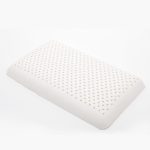
Open cell foam features interconnected air pockets. The thin walls between foam cells break during production, allowing air to freely flow throughout the material.
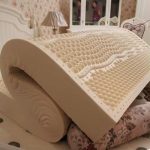
Most flexible polyurethane foam used for mattresses, sofa cushions and acoustic panels is open-cell.
Key Characteristics
- Cells connect together; air moves freely inside foam
- Lightweight, softer and more compressible
- Absorbs water and moisture when exposed to liquid
- Excellent at absorbing airborne noise
- Lower production cost compared to closed cell foam
Advantages
✅ Great breathability, reduces heat trapping for sleep surfaces
✅ Superior sound absorption to reduce echo and reverberation
✅ Soft cushioning, ideal for direct human contact
✅ Easy to compress, lightweight for shipping
Limitations
❌ Not waterproof; absorbs moisture, prone to mold in damp environments
❌ Inferior thermal insulation performance
❌ Not suitable for outdoor continuous exposure
What Is Closed Cell Polyurethane Foam?
Closed cell foam consists of independent, sealed air pockets. Each cell is fully enclosed, preventing air and water from easily passing through.
Closed cell structure exists in both rigid insulation foam and certain specialty flexible PU materials.
Key Characteristics
- Individual sealed cells block air and moisture transfer
- Higher compression strength and dimensional stability
- Low water absorption, waterproof performance
- Outstanding thermal insulation (higher R-value)
- Denser and heavier than open cell foam of equal thickness
Advantages
✅ Water-resistant, prevents moisture penetration
✅ Excellent thermal insulation for building, cold storage
✅ Higher load-bearing capacity and structural rigidity
✅ Resists rot and mold in humid outdoor environments
Limitations
❌ Poor breathability; traps heat if used for seating or bedding
❌ Weak sound absorption, mainly blocks vibration noise instead of echo
❌ Higher material cost
❌ Less soft and less comfortable for long-time body contact
Open Cell vs Closed Cell PU Foam — Comparison Table
| Comparison Aspect | Open Cell Polyurethane Foam | Closed Cell Polyurethane Foam |
|---|---|---|
| Cell Structure | Interconnected open pores | Independent sealed air pockets |
| Air Permeability | High, breathable | Very low, airtight |
| Water Resistance | Absorbs water / Not waterproof | Low water absorption / Waterproof |
| Sound Performance | Excellent sound absorption (reduce echo) | Good vibration blocking, poor acoustic absorption |
| Thermal Insulation | Moderate | Excellent (high R-value) |
| Softness & Comfort | Soft, cushioned, suitable for mattresses/cushions | Firmer, less comfortable for long contact |
| Weight | Lighter | Relatively heavier |
| Mold Risk | High in damp conditions | Low, moisture cannot penetrate inside |
| Typical Cost | Lower | Higher |
Common Applications of Open Cell PU Foam
- Bedding: Mattress layers, foam pillows, mattress toppers
- Furniture: Sofa cushions, chair padding, bench inserts
- Acoustics: Studio sound panels, office noise absorption materials
- Light-duty protective packaging
- Automotive interior seat padding and interior sound damping
Common Applications of Closed Cell PU Foam
- Construction: Wall spray foam insulation, roof insulation boards
- Cold chain: Refrigerator and cold warehouse thermal insulation
- Marine industry: Buoyancy materials, waterproof sealing pads
- Outdoor equipment: Waterproof gaskets, shock pads exposed to rain
- Pipeline thermal insulation
How To Choose: Open Cell or Closed Cell Foam?
Choose Open Cell Polyurethane Foam if you need:
✔ Comfort padding for mattresses, pillows, sofa cushions
✔ Breathable material to avoid overheating during sleep
✔ Sound absorption panels to eliminate room echo
✔ Lightweight foam for indoor furniture applications
✔ Indoor usage with no continuous water exposure
Choose Closed Cell Polyurethane Foam if you need:
✔ Thermal insulation for buildings, freezers and pipelines
✔ Waterproof foam used outdoors or in humid environments
✔ Materials that must resist moisture, mold and water penetration
✔ High compression strength for structural support
✔ Sealing, buoyancy and cold insulation projects
