




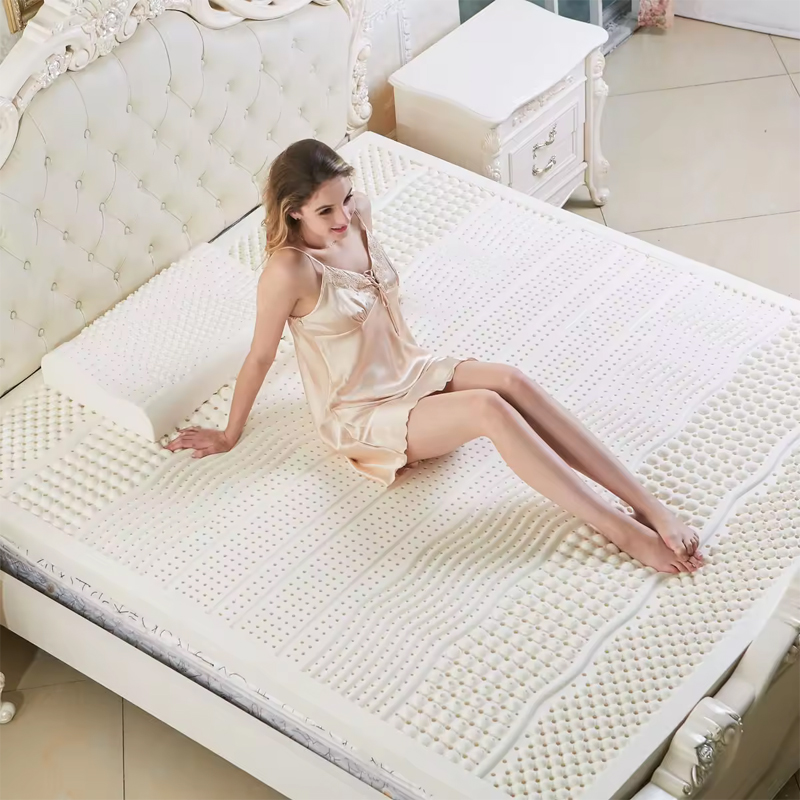
Latex Mattress vs Organic Cotton Mattress for Sensitive Skin
1. Core Material & Certification Standard (Foundation for Sensitive Skin Safety)
1.1 Natural Latex Mattress

Raw Material: Pure rubber tree sap (Hevea brasiliensis), renewable plant-based elastic material.
Key Valid Certifications for Sensitive Users:
- GOLS (Global Organic Latex Standard): Ensures organic rubber sap, no toxic processing chemicals
- OEKO-TEX Class 1: Zero harmful substances, safe for babies and chemically sensitive individuals
1.2 Organic Cotton Mattress
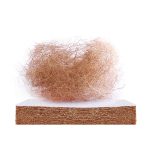
Raw Material: GOTS-certified organic cotton batting, cotton fiber fill, often paired with organic cotton ticking fabric cover.
Core Certification: GOTS (Global Organic Textile Standard)
GOTS strictly bans toxic pesticides, chemical fertilizers, chlorine bleaching, heavy metal dyes and harmful finishing agents during cotton planting and spinning. Conventional non-organic cotton uses massive amounts of agricultural chemicals, which will leach out and irritate sensitive skin, so only GOTS-labeled cotton qualifies for allergy-prone users.
2. Off-Gassing & Chemical Irritation Risk (Top Priority for Sensitivities)
Natural Latex
Organic Cotton Mattress
- The steel coil core often comes with factory anti-rust oil or protective paint that emits slight odors;
- Some manufacturers use synthetic fire barrier fabrics under the cotton cover to meet US flammability laws, introducing hidden synthetic layers.
3. Dust Mite, Mold & Mildew Resistance (Biggest Trigger for Skin Allergies)
Natural Latex
Organic Cotton
Cotton is a natural fiber with strong moisture absorption capacity. It soaks up body sweat easily and holds dampness inside the batting. Dark, warm, humid cotton layers become the perfect breeding ground for dust mites, mold and mildew.
Even with regular sun airing, cotton fill will accumulate mite populations over time, which continuously irritate sensitive skin and respiratory tracts.
4. Moisture Wicking & Night Sweats Impact on Skin
Natural Latex
Organic Cotton
5. Sleeping Surface Texture & Direct Skin Contact Comfort
Organic Cotton Mattress
Elastic, responsive, moderately firm support with gentle contouring. The outer removable cover (usually organic cotton or bamboo fabric) touches skin softly; the latex core itself never directly contacts the body.
The bouncy, uniform surface avoids lumpiness and uneven friction that irritates sensitive skin. Side sleepers with bony hip/shoulder pressure get balanced relief without harsh digging-in.
6. Durability & Hygiene Retention Over Years
Natural Latex
Organic Cotton Mattress
7. Suitability for Special Skin Conditions
Best for Eczema, Contact Dermatitis, Chronic Itchy Skin
- Primary choice: GOLS certified natural latex (low allergen, dry sleeping environment, no mite nesting)
- Secondary choice: GOTS organic cotton mattress with fully removable, washable outer cover (must wash cover monthly)
Best for Asthma & Hay Fever Sufferers
Best for Babies & Toddlers with Delicate Skin
8. Maintenance Difference for Allergy Prevention
Natural Latex
- Only spot clean stains with a damp cloth
- Remove and machine wash the outer cover regularly
- Air out occasionally; no need for frequent sun baking
- Can be rolled/folded for storage without degrading hygiene performance
Organic Cotton Mattress
- Must take the entire mattress outside for sun disinfection every 2–4 weeks to kill mites
- Clumped cotton cannot be repaired; fill becomes unsanitary after a few years
- Cannot be tightly folded long-term, easy to deform and trap moisture inside
9. Final Buying Recommendation for Sensitive Skin
Choose 100% GOLS Natural Latex Mattress if you:
✅ Suffer from recurring eczema, itchy sensitive skin or dust mite allergies
✅ Live in humid areas prone to mold growth
✅ Want a low-maintenance hypoallergenic bed lasting 15+ years
✅ Have asthma or chronic nasal allergies triggered by bedding allergens
✅ Are a hot sleeper with night sweats that irritate skin
Choose GOTS Organic Cotton Mattress only if you:
✅ Prefer ultra-soft, fluffy, cloud-like plush sleeping feel above all else
✅ Are willing to commit to monthly deep cleaning and frequent sun airing
✅ Have a confirmed rare rubber latex allergy (the only scenario where latex is unsuitable)
✅ Need a temporary non-toxic bed for guest rooms or short-term use
Final Conclusion
10,Side-by-Side Comparison Table
| Comparison Item | GOLS Certified Natural Latex Mattress | GOTS Organic Cotton Mattress | Better for Sensitive Skin |
|---|---|---|---|
| Allergen Resistance | Naturally anti-dust mite, anti-mold | Absorbs moisture, easy to breed mites & mold | Latex |
| Off-Gassing & VOC | Near-zero, faint rubber scent fades fast | Low odor, risk of coil/padding hidden chemicals | Latex |
| Moisture Control | Air-permeable, keeps sleep surface dry | High absorption, holds sweat dampness | Latex |
| Skin Friction Surface | Smooth uniform support, no lumpiness | Soft fluffy but prone to uneven clumping | Latex |
| Service Lifespan & Hygiene | 15–25 years, no crumbling debris | 3–5 years, cotton lint becomes irritant | Latex |
| Core Material Risk | Only avoid for latex rubber allergy | Safe for all skin types | Cotton for latex-allergy users |
| Weekly Maintenance | Minimal, just wash removable cover | Frequent sun baking required | Latex |
11 FAQ
-
Which mattress is better for eczema: latex or organic cotton?
Natural latex is better. It resists dust mites and stays dry overnight, two major triggers of eczema flare-ups, while cotton traps moisture and harbors allergens easily.
-
Can organic cotton mattresses get dust mites?
Yes. Cotton fiber absorbs sweat and humidity, creating an ideal living environment for dust mites even with organic certification.
-
Is natural latex safe for sensitive skin?
GOLS and OEKO-TEX Class 1 certified latex is extremely safe, with almost no chemical irritants. The only exception is people with a diagnosed latex rubber allergy.
-
Does organic cotton mattress have off-gassing issues?
The cotton fill itself is odor-free, but the underlying spring core or hidden fire-resistant fabrics may produce minor chemical smells initially.
-
How often should I clean an organic cotton mattress for allergy control?
The removable cover should be washed monthly, and the whole mattress needs direct sunlight disinfection every 2–4 weeks to reduce mite populations.
