







Is Gel Positioning Pad Better Than Foam Pad For Surgical Procedures?
When outfitting operating rooms, ambulatory surgery centers and aesthetic clinics, facility managers face a common purchasing decision: choose gel positioning pads or traditional foam pads for patient support during surgery. Both materials are widely available, yet their performance differs greatly when dealing with long operations, high-risk patients and strict hospital hygiene standards.
There is no universal “one-size-fits-all” winner. However, understanding their strengths, limitations and suitable scenarios helps procurement teams select positioning cushions that lower patient injury risks while matching budget requirements.

Primary Risks of Poor Surgical Positioning
Before comparing materials, it is vital to recap the hazards of inadequate patient support on the surgical table:
- Intraoperative pressure injuries on bony prominences (sacrum, heels, shoulders, hip bones)
- Nerve compression leading to temporary or permanent numbness
- Shear force damage to subcutaneous soft tissue
- Post-operative muscle pain and prolonged patient recovery
- Increased risk of medical complications and liability claims
These risks rise sharply for procedures lasting more than two hours, bariatric patients, diabetic patients and patients undergoing spine or orthopedic surgery. The choice between gel and foam directly impacts how effectively these risks are controlled.
Head-to-Head Comparison: Gel Positioning Pad VS Foam Positioning Pad
| Evaluation Factor | Medical Gel Positioning Pad | Surgical Foam Positioning Pad |
|---|---|---|
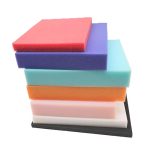
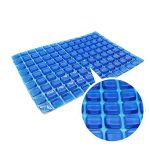
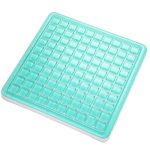
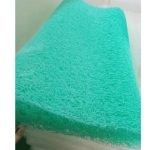
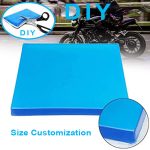
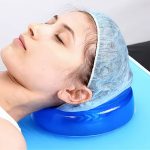
| Peak Pressure Distribution | Excellent. Viscoelastic gel conforms naturally to body contours, disperses concentrated weight and reduces peak pressure on bony landmarks. | Moderate. Foam rebounds rigidly, creating localized counter-pressure that raises ulcer risks for long surgeries. |
| Long-duration Support (≥2 Hours) | Outstanding. No permanent compression set; maintains consistent cushioning through lengthy complex operations. | Poor. Gradually flattens under continuous load, losing supportive thickness as surgery proceeds. |
| Shear & Friction Resistance | Very good. Sealed PU/silicone outer cover minimizes skin friction and limits damaging shear forces. | Fair. Porous foam surfaces increase friction risk; shear protection is limited. |
| Anti-Slip Stability on OR Tables | Strong. Solid gel base adds weight to prevent unintended patient sliding during surgery. | Weak. Lightweight foam easily shifts, requiring repeated repositioning by OR staff. |
| Cleaning & Disinfection | High suitability. Fully sealed outer barrier repels blood, antiseptic and bodily fluids; surfaces can be wiped with standard hospital disinfectants. | Low suitability. Open-cell foam absorbs liquids, trapping contaminants deep inside and raising infection control concerns. |
| Reusable Lifespan | 3–5 years with proper routine maintenance. | 6–12 months; frequent compression accelerates permanent deformation. |
| Upfront Unit Cost | Medium to high initial investment. | Low upfront purchase price. |
| Cost-Per-Use | Low. Extended service life offsets higher initial spending. | High. Short service cycle leads to frequent repeat orders. |
| Ideal Patient Groups | Bariatric patients, long surgery cases, high pressure injury risk patients. | Minor short procedures, low-risk patients, temporary low-budget setups. |
Core Advantages of Medical Gel Positioning Pads
- Superior protection for lengthy, complex surgical procedures such as spinal surgery, joint replacement and reconstructive plastic surgery.
- Waterproof sealed casing meets strict hospital infection control protocols.
- Reliable stability for prone, lateral and other challenging surgical positions.
- Optimized safety for overweight and bariatric patients prone to pressure complications.
Core Advantages of Foam Positioning Pads
- Low initial purchase cost, suitable for clinics with tight short-term budgets.
- Lightweight, easy to transport for short, minor outpatient operations.
- Multiple density options available for simple, brief surgical positioning tasks.
Key Limitations to Note
Limitations of Gel Positioning Pads
- Higher upfront expenditure discourages facilities with limited immediate capital.
- Most standard models only support surface wipe disinfection; autoclaving is not allowed unless specially certified.
- Heavier weight compared to foam pads.
Limitations of Foam Positioning Pads
- Poor performance for surgeries exceeding 90–120 minutes.
- Fluid absorption creates persistent hygiene risks, making them less ideal for trauma and major surgery.
- Rapid wear increases long-term procurement expenses.
Practical Guidance: Which One Should Your Facility Choose?
Choose gel positioning pads if:
- Your center regularly performs surgeries lasting over 2 hours
- You treat large numbers of bariatric, diabetic or high-pressure-risk patients
- Infection control and reduction of intraoperative pressure injuries are top priorities
- You want to minimize repeated equipment replacement costs over several years
Choose foam positioning pads if:
- Your practice mainly carries out quick minor outpatient procedures
- Patient body weight is within standard range and pressure injury risk is low
- You only require temporary positioning solutions with minimal initial spending
Many medium-sized surgery centers adopt a hybrid solution: deploy gel pads for major long-duration operations and retain affordable foam pads for short, low-risk minor surgeries.
Frequently Asked Questions
Q1: Can foam pads cause pressure injuries during long surgery?
A1: The risk increases significantly. After sustained compression, foam flattens and loses cushioning, concentrating pressure on bony areas and greatly raising the chance of surgical-acquired pressure ulcers.
Q2: Are gel pads worth the extra money?
A2: For high-volume operating rooms performing complex surgeries, yes. Fewer patient complications, extended service life and lower replacement frequency deliver measurable long-term ROI.
Q3: Can foam pads be fully disinfected after contact with bodily fluids?
A3: Standard open-cell foam absorbs liquids into internal pores. Surface wiping cannot remove trapped contaminants, which creates ongoing infection hazards.
Closing Paragraph
There is no simple yes-or-no answer to whether gel positioning pads are universally better than foam pads for all surgical work. Still, for most formal operating rooms and surgery centers prioritizing patient safety, infection control and long-term operational value, medical gel positioning pads emerge as the preferred professional solution.
If you want to explore customized sizes, bulk wholesale pricing or technical specifications for surgical gel positioners, contact our team today.
