How Medical Gel Positioning Pads Reduce Operating Room Patient Injury Risks
Operating rooms face constant patient safety challenges, especially during lengthy surgical procedures. Under general anesthesia, patients cannot adjust their posture to relieve localized pressure. Without proper supportive equipment, they are highly vulnerable to multiple preventable injuries: pressure injuries, nerve compression damage, shear trauma, soft tissue ischemia and postoperative pain. Medical gel positioning pads have become a standard safety solution for hospitals, ambulatory surgery centers and aesthetic clinics to mitigate these risks.
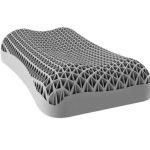
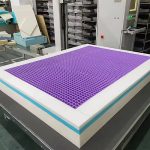
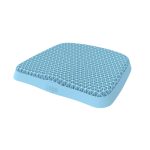
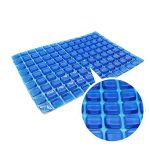
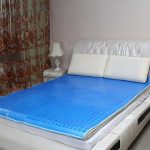
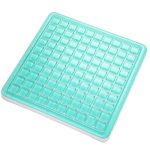
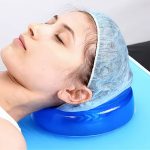
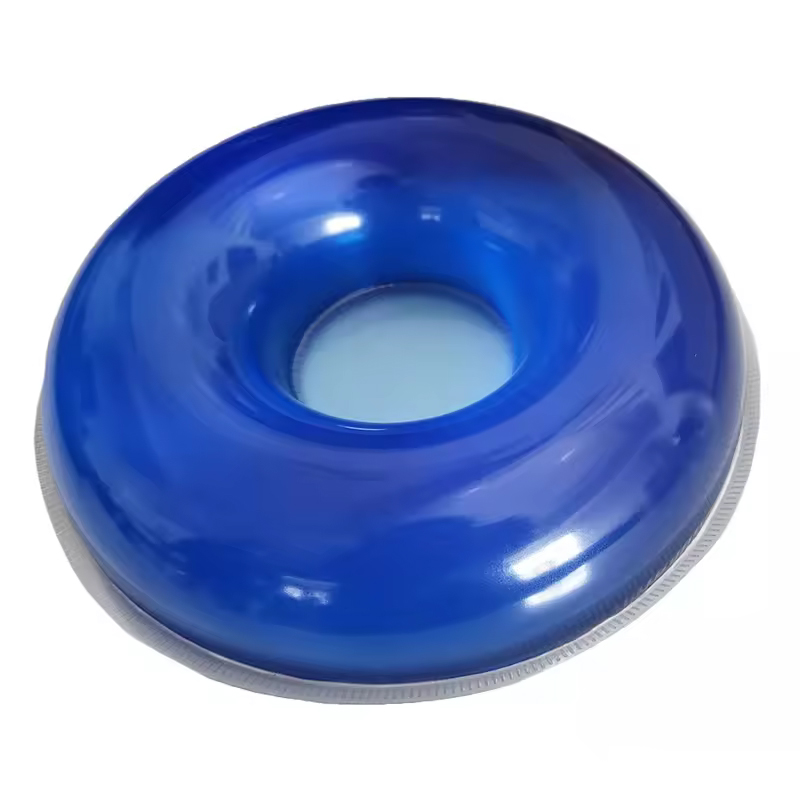
surgery gel pad
Common Patient Injuries During Surgical Procedures
Before exploring how gel pads deliver protection, it is critical to understand the typical injuries occurring on the operating table:
Intraoperative Pressure Injuries
Continuous weight load concentrates on bony prominences including the sacrum, heels, shoulders, iliac crests and cheekbones. Blocked blood circulation leads to skin discoloration, tissue necrosis and pressure ulcers that slow recovery and raise medical liability risks.
Nerve Compression Injuries
Improper positioning can squeeze peripheral nerves, triggering temporary or long-term numbness, tingling and motor dysfunction after surgery. Lateral and prone surgical positions carry notably higher risks.
Shear and Friction Trauma
When the patient’s skin stays stationary while underlying tissue shifts, shear force damages capillary vessels. Friction abrades the epidermis, making tissue far more susceptible to ulceration.
Postoperative Muscular Soreness
Uneven support forces muscles and joints into unnatural postures for hours, leading to prolonged discomfort once anesthesia wears off.
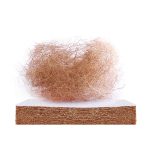
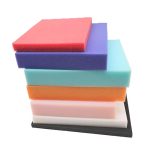
Many facilities once relied on basic foam cushions, folded linens and simple foam wedges. However, these low-cost options lack the performance required for long-duration complex surgeries.
Core Mechanisms: How Medical Gel Positioning Pads Minimize Surgical Injuries
Medical viscoelastic gel material possesses unique physical characteristics that outperform traditional positioning materials. The injury reduction effects work through four core mechanisms:
1. Even Pressure Redistribution
Gel conforms flexibly to individual body contours instead of creating rigid counter-pressure. It disperses concentrated weight across a wider contact surface and significantly cuts peak pressure on high-risk bony areas. This prevents localized blood flow cutoff, the primary trigger of pressure ulcers.
2. Stabilize Body Posture to Avoid Unplanned Shifting
High-quality gel pads have moderate weight and anti-slip bottom layers. They lock patients in the required surgical position and eliminate gradual sliding on hard OR tabletops. Stable positioning avoids secondary nerve stretching and shear damage caused by body migration.
3. Reduce Shear Force and Skin Friction
The sealed smooth PU or silicone outer cover lowers surface friction. Combined with the gel’s shock-absorbing properties, the system limits shear stress between skin and support surface, protecting fragile subcutaneous tissue.
4. Maintain Consistent Cushioning for Extended Operations
Standard foam suffers permanent compression set after sustained loading and gradually flattens over 2–3 hours. Medical gel retains elasticity and supportive performance throughout long orthopedic, spinal and reconstructive surgeries, sustaining protection from start to finish.
Material Performance Comparison Table
Evaluation Criteria
Medical Gel Positioning Pads
Conventional Foam Pads
Air/Water-Filled Positioning Supports
Peak pressure reduction
Excellent; reduces concentrated load by 30%–50%
Moderate; limited effect on bony pressure points
Good; prone to uneven pressure after position shift
Stability for 3+ hour surgeries
Outstanding; no permanent flattening
Poor; loses thickness and support gradually
Poor; risks leakage and requires repeated adjustment
Shear & friction control
Very good; smooth sealed cover
Fair; porous surface increases skin friction
Medium; moisture risk if outer casing fails
Anti-slip performance on OR tables
Strong; solid gel base resists sliding
Weak; lightweight and easy to shift
Weak; flexible shell drifts sideways
Disinfection & reusability
High; waterproof sealed cover for repeated wiping
Low; absorbs body fluids, hard to sanitize fully
Medium; seams and valves are vulnerable points
Service lifespan
3–5 years under standard maintenance
6–12 months
1–2 years
Typical Application Scenarios
Long surgeries, bariatric patients, spine, orthopedic & plastic surgery
Short minor procedures, temporary low-budget use
Radiology beds, long-term ward bed care
Clinical Summary: For operating rooms conducting regular long-time procedures, medical gel positioning pads deliver the best overall value in lowering preventable patient injury rates.
Best Practices to Maximize Injury Risk Reduction
Simply purchasing gel pads cannot eliminate risks. OR teams should follow standardized positioning protocols:
Select pad shapes and sizes matched to surgical posture (prone head supports, heel protectors, lateral hip wedges, arm positioners);
Directly place gel supports beneath bony pressure points; avoid stacking multiple thick cushions;
Complete routine visual inspections before every use. Cease usage immediately if covers tear or gel leaks out;
Use hospital-approved disinfectant wipes for surface cleaning; avoid corrosive cleaners that degrade the outer layer;
Combine gel positioning with patient preoperative risk assessment for obese, diabetic and vascular-disease patients.
Frequently Asked Questions
Q1: Can gel positioning pads completely prevent all intraoperative injuries?
A1: They greatly reduce risk but cannot guarantee zero incidents. They must be used together with standardized patient assessment, reasonable operation scheduling and regular intraoperative position checks.
Q2: Are gel pads suitable for bariatric patients?
A2: Yes. Specially reinforced high-load gel positioners provide far better pressure distribution than foam cushions for heavier patients. Always verify the maximum load rating before ordering.
Q3: Can gel pads be sterilized via autoclaving?
A3: Most standard reusable gel pads only support surface wipe disinfection. Only specially manufactured high-temperature resistant versions allow autoclave treatment. Confirm specifications with suppliers.
Closing Paragraph
Preventable surgical injuries raise patient complaints, recovery costs and clinical liability. Investing in professional medical gel positioning pads is a straightforward, effective strategy to upgrade operating room safety protocols. Whether you run a large hospital OR or an independent surgery center, properly selected gel positioners improve patient experience and clinical outcomes. Reach out to our team to browse our full range of surgical gel positioning products, request technical specifications and get wholesale pricing.