



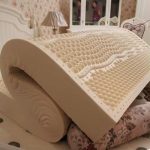
Cooling Latex Mattress for Hot Sleepers: The Science Behind Its Superior Cool Sleep Performance
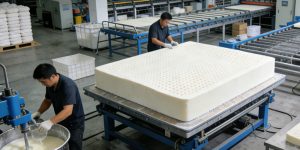
1. Core Scientific Reasons Latex Sleeps Much Cooler Than Foam & Conventional Mattresses
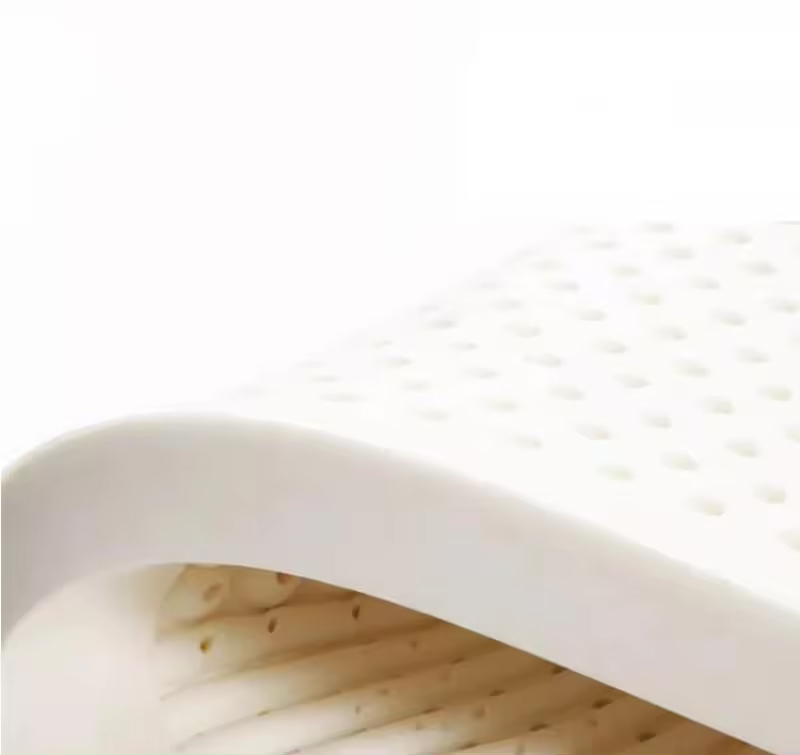
1.1 Open-Cell Interconnected Air Channel System (The #1 Cooling Advantage)
1.2 Rapid Moisture Evaporation Stops Sweat Trapping
- Sweat soaks into the mattress top layer and cannot evaporate, leaving a damp, sticky sleep surface
- Trapped moisture raises mattress internal humidity, accelerates mildew growth and creates a clammy microclimate
1.3 Zero Heat Retention from Chemical Reaction & Density Heat Buildup
- High petrochemical content stores radiant body heat
- Dense closed-cell material conducts and locks thermal energy inside
2. Talalay vs Dunlop Latex: Which Is Better for Hot Sleepers?
2.1 Talalay Latex — Top Choice for Extreme Hot Sleepers
- More uniform, larger open-cell structure with higher air permeability
- 30% greater airflow volume compared to standard Dunlop latex
- Softer, more buoyant compression that keeps air passages open even under body weight
- Extra rinsing removes residual proteins, reduces minor heat-triggered skin irritation for sensitive hot sleepers
Best application: 1.5–2 inch top comfort layer to deliver maximum surface cooling and gentle pressure relief.
Warning: Never use full thick Talalay as the only core for heavy sleepers (risk of excessive sink-in).
2.2 Dunlop Latex — Balanced Cooling + Long-Term Support Base
- Still fully open-cell and breathable, far cooler than any foam
- Slightly lower airflow than Talalay but excellent moisture resistance in humid climates
- Firm supportive base prevents deep sinking which would collapse internal air channels
- Resists compression fatigue, so airflow pathways remain intact for 15–25 years
The Ultimate Cooling Layer Stack for 99% Hot Sleepers
- Talalay top: immediate surface breathability, heat venting and sweat wicking
- Dunlop base: stable platform to avoid full compression blocking airflow
This combo delivers all-night coolness without sacrificing spinal support.
3. All-Latex vs Latex Hybrid Cooling Performance Comparison
Option A: 100% All-Natural Layered Latex Mattress (Coolest Overall)
Cooling Strengths
- Entire mattress core is porous latex with full 3D airflow from top to bottom
- No pocket coil hollow pockets that can trap stagnant warm air and dust
- No metal springs that hold ambient heat in warm summer rooms
- Uniform ventilation across the whole sleep surface
Minor Weakness
Average edge support; sit-off the sides slightly compresses airflow temporarily
Ideal for: Severe night sweats, menopause hot flashes, tropical/humid living environments, allergy-prone hot sleepers.
Option B: Latex Pocket Coil Hybrid Mattress (Good Cooling with Practical Benefits)
Cooling Performance
- Latex comfort top retains excellent breathability; airflow still far outperforms foam hybrids
- Individually wrapped coils create vertical gaps under the latex layer for additional under-mattress air circulation
- Slim profile options reduce overall heat retention volume
Cooling Drawback
Coil core dead spaces hold small pockets of static warm air, slightly less ventilated than solid all-latex.
Best for: Hot sleepers who also need strong edge support for easy bed entry/exit, plus-size users, couples with motion transfer concerns.
4. Cooling-Focused Outer Cover Fabrics That Maximize Latex’s Cool Effect
- GOTS Certified Organic Cotton Cover
Highly breathable, absorbs surface sweat lightly and releases it quickly, naturally temperature-regulating fiber. Must be fully removable and machine washable.
- Organic Cotton + Wool Blend Cover
Merino wool actively wicks moisture and thermoregulates: cools in heat, insulates slightly in cold. Excellent for year-round use for fluctuating hot flashes.
- Tencel / Lyocell Cooling Fabric
Hydrophilic fiber with superior moisture evaporation rate, silky cool-to-touch surface, ideal for extreme night sweats.
Covers to Avoid for Hot Sleepers
- Thick memory foam quilted layers on the cover
- Waterproof plastic-backed protectors that block all vapor escape
- Dense polyester microfiber non-breathable upholstery
5. Non-Negotiable Certifications for Hot Sleepers
- GOLS Organic Latex Standard
Guarantees pure natural latex core without synthetic foam blending; fake blended latex will trap heat severely.
- GREENGUARD Gold
Low-VOC certification ensures no chemical off-gassing that can cause body warmth and irritability during sleep.
- GOTS Textile Standard
Confirms breathable organic outer cover without toxic synthetic finishes that block air flow.
6. Mattress Thickness & Bed Base Rules to Preserve Cooling Airflow
Thickness Recommendation for Hot Sleepers
- Standard bedroom: 10–11 inches layered latex (enough vertical space for internal air circulation)
- Avoid over 12” ultra-thick profiles: thicker volume holds slightly more stagnant warm air
- Bunk bed: 6.5–7.5” slim hybrid cooling latex
Critical Bed Base Rule (Often Overlooked)
- Solid platform boards block bottom airflow, sealing off the mattress’s downward ventilation path and killing its cooling function
- Slats allow cool air to rise up underneath and hot air to exhaust downward
7. Who Benefits Most From a Cooling Latex Mattress?
- Menopausal women with recurring night hot flashes and sudden body heat spikes
- Fast-metabolism young adults who consistently overheat overnight
- Overweight/heavy sleepers prone to excessive night sweating
- People living in hot, humid subtropical climates
- Pregnant women dealing with hormone-driven warmth discomfort
- Anyone allergic to dust mites who also struggles with overheating
8. Common Mistakes Hot Sleepers Make When Buying Cooling Latex Mattresses
- Choosing full thick Talalay mattress for heavy people: over-sinking collapses air channels, kills cooling effect
- Pairing breathable latex with plastic waterproof non-breathable covers
- Using solid flat bed boards instead of slatted frames to block bottom airflow
- Buying uncertified blended latex mixed with polyurethane foam (foam traps massive heat)
- Selecting overly thick 14-inch plus mattresses that retain more internal warm air
9. Final Recommended Cooling Latex Mattress Configurations
Tier 1: Extreme Hot Sleepers / Menopause Hot Flashes
✅ 10” Layered All-Latex Mattress
✅ 2” Talalay cooling top + D80 Dunlop breathable base
✅ Tencel/Lyocell removable cooling cover
✅ Solid slat bed base for full under-airflow
Tier 2: Hot Sleepers + Need Edge Support / Plus Size
✅ 10.5” Reinforced Pocket Coil Latex Hybrid
✅ Talalay top cooling layer, breathable organic cotton cover
✅ Elevated bed frame for under-bed ventilation
Tier 3: Budget Entry Level for Mild Overheating
✅ 10” Medium-Firm Dunlop all-latex mattress
✅ GOTS organic cotton washable cover
✅ Use separate breathable cooling mattress protector
Core Cooling Formula Recap
Talalay Open-Cell Ventilated Top Layer + Dunlop Breathable Support Base + Organic/Tencel Moisture-Wicking Removable Cover + Slatted Airflow Bed Foundation
This system creates continuous passive air circulation inside the mattress, eliminates trapped body heat and sweat buildup, delivering dry, cool sleep all night long for chronic hot sleepers.
Embedding Comparison Table
| Item | Best Cooling Option for Hot Sleepers | Not Recommended | Thermal Impact Reason |
|---|---|---|---|
| Latex Type | Talalay top + Dunlop base | Full thick Talalay for heavy users | Talalay maximizes airflow; full Talalay sinks and closes air pores under weight |
| Mattress Construction | 10–11” layered all-latex | Over 12” ultra-thick latex | Excessive depth holds more trapped warm air inside core |
| Outer Cover | Tencel / GOTS organic cotton | Plastic-backed waterproof fabric | Non-breathable barriers block sweat vapor escape entirely |
| Bed Base | Wooden slats ≤3” gap | Solid closed platform board | Solid base seals downward airflow, negates latex cooling structure |
| Core Cert | GOLS + GREENGUARD Gold | Blended synthetic latex | Fake foam-latex traps heat like standard memory foam |
