




Hot Sleeper Demand: How Cooling TPE Pillows Boost Your Bedding Product Line Profit Margin
Introduction
Consumers who overheat at night — widely known as hot sleepers — represent a fast-expanding, underserved segment within the global bedding market. Standard memory foam traps body heat. Natural latex comes with high procurement costs. Cheap polyester cooling pillows only deliver superficial cooling and suffer from high return rates.
For bedding wholesalers, DTC brand operators and hospitality buyers, adding high-performance cooling products is no longer optional. TPE gel grid pillows have become a high-margin SKU tailored for hot sleepers. This article analyzes consumer demand characteristics, profitability comparisons, competitive advantages, and practical business advice for B2B purchasers to upgrade their bedding catalog.

1. Who Are Hot Sleepers & Why They Are a Lucrative Target Group
Hot sleepers include office workers, menopause women, athletes, people with fast metabolisms, and users living in warm climate zones. Their core sleep demands:
- Continuous airflow to avoid night sweats;
- Stable neck support without heat buildup;
- Easy-to-clean, hygienic sleep accessories;
- Durable products that do not deform quickly.
General pillows fail to satisfy all these needs simultaneously. Hot sleepers are willing to pay premium prices for functional cooling bedding, creating room for higher markup compared to conventional bedding items.
2. Profit & Performance Comparison Among Mainstream Cooling Pillows
| Comparison Item | TPE Gel Grid Pillow | Cooling Infused Memory Foam Pillow | Natural Latex Pillow | Polyester Ice Silk Pillow |
|---|---|---|---|---|
| Target Customer | Hot sleepers, allergy sufferers, ortho users | Budget cooling seekers | High-end eco consumers | Entry-level price-sensitive buyers |
| Wholesale Unit Cost | Mid-range | Low-Mid | High | Low |
| Recommended Retail Price Tier | Mid-to-premium | Mid-range | Premium | Budget |
| Usable Gross Margin Space | ★★★★★ | ★★★☆☆ | ★★★☆☆ | ★★☆☆☆ |
| Heat Dissipation Effect | Permanent structural ventilation | Temporary gel coating cooling | Moderate ventilation | Surface-only cooling |
| Washable Performance | Fully machine washable | Cannot soak | Limited surface cleaning | Washable, easy to go flat |
| Average Return Rate | Low (qualified SEBS material) | Medium | Medium | High |
| Differentiation in Marketplace | Strong, unique grid structure | Highly saturated market | Many competing suppliers | Heavy price competition |
| OEM & Private Label Flexibility | Adjustable grid density, height, mold customization | Limited density tuning | Restricted by rubber raw material supply | Almost no structural customization |
3. Three Core Reasons TPE Grid Pillows Improve Your Profit Margin
3.1 Reduced homogeneous price competition
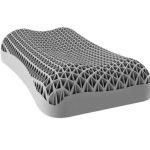
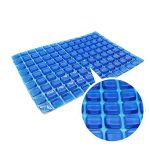
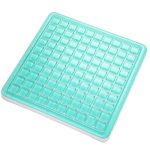
Memory foam and ice silk pillows flood every sales channel. Hexagonal TPE grid design forms distinctive visual recognition. Brands can set differentiated positioning instead of competing purely on low prices.
3.2 Lower after-sales losses
Premium SEBS TPE maintains elasticity for years. It avoids common complaints: flattening, heat retention, mold growth. Fewer customer refunds and negative reviews protect your profit and brand reputation.
3.3 Up-selling & cross-selling potential
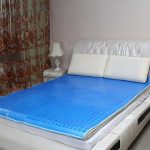
You can bundle TPE gel pillows with cooling mattress toppers, pillowcases and other sleep products. One core item drives sales of multiple accessories and raises average order value.
4. Channel Strategies to Maximize Sales of Cooling TPE Pillows
Online DTC / Amazon / Shopify Stores
Highlight hot sleeper pain points on product listings. Emphasize all-weather breathability, fully washable design and ergonomic support to separate your listing from generic cooling pillows.
Wholesale & Home Furnishing Retail Chains
Position TPE grid pillows as the upgraded cooling series to replace outdated foam pillow SKUs for existing customers.
Hospitality & Medical Procurement
Market washable, hypoallergenic features for hotels, rehabilitation centers and senior care facilities, opening stable bulk order channels.
5. Critical Sourcing Tips To Protect Your Profit
- Distinguish pure SEBS TPE from blended low-grade TPE. Inferior materials harden easily and trigger complaints;
- Test samples for elasticity, odor and compression recovery before large orders;
- Negotiate tiered pricing: larger bulk orders reduce unit cost and widen your profit space;
- Discuss custom packaging and private label solutions to build exclusive products and avoid direct competitor matching.
Conclusion
The hot sleeper consumer group will keep expanding as awareness of sleep quality rises. Cooling TPE gel grid pillows fill the market gap between low-end temporary cooling bedding and expensive natural latex.
If you want healthier profit margins and differentiated products for your bedding line, incorporating TPE gel grid pillows is a worthwhile long-term investment. Contact our team to request product specs, samples and customized OEM quotations.
FAQ
FAQ 1: Do hot sleepers always prefer TPE grid pillows over latex pillows?
Not absolutely. Latex appeals to eco-focused buyers. TPE pillows perform better for users prioritizing maximum airflow and full washability. Many brands stock both to cover different customer preferences.
FAQ 2: How much markup can I expect selling TPE gel grid pillows?
Markup depends on sales channel, packaging and brand positioning. Mid-premium positioning typically brings significantly higher margins than budget polyester bedding. Quality consistency is key to sustaining long-term profitability.
FAQ 3: Will demand for cooling pillows drop in cold winter seasons?
Seasonal fluctuation exists, yet hot sleepers generate steady year-round demand. You can adjust marketing messaging to focus on breathable pressure relief instead of only “cooling” during colder months.
FAQ 4: Can I mix standard pillows and TPE grid pillows inside one product catalog?
Yes. Use regular pillows for entry-level traffic, and position TPE gel grid pillows as your upgraded premium option to capture customers willing to spend more on better sleep experience.
FAQ 5: What risks may cut profits when importing TPE pillows?
Common risks include poor raw material quality, delayed production lead times, insufficient certifications for target markets and improper compression packaging causing shape issues. Third-party pre-shipment inspection helps avoid these losses.
