Frequently Asked Questions (End Consumers) — Natural Latex Pillows
Suitable for: Amazon product page, DTC website FAQ section, in-store brochure, package insert, social media comment reply template.
All answers are customer-friendly, expectation-focused, help lower return rates and avoid misleading medical claims.
Basic Material & Comfort
Q1: What is a natural latex pillow?
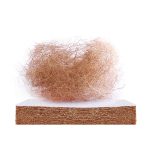
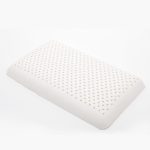
A: Natural latex pillows are made from sap harvested from rubber trees. The liquid sap is processed into resilient foam using the Dunlop or Talalay method. Unlike petroleum-based synthetic foam, natural latex features an open-cell porous structure for better breathability.
Q2: What’s the difference between Dunlop latex and Talalay latex?
- Dunlop Latex: Medium-firm, dense, durable, cost-effective. Most popular for everyday sleepers.
- Talalay Latex: Lighter and softer, more consistent texture, higher price. Better suited for shoppers who prefer gentle support.
Q3: Is this pillow firm or soft?
A: Our standard natural latex pillow is medium-firm. It yields gently under your head while maintaining stable support. It feels firmer than down or ultra-soft polyester pillows but less rigid than hard foam. If you prefer extremely soft bedding, natural latex may take time to get used to.
Q4: Will the latex pillow get flat or lumpy over time?
A: High-quality natural latex has excellent instant rebound and resists permanent indentation. With normal use, it keeps its shape for multiple years. All foam materials slowly degrade over many years, but latex lasts far longer than budget memory foam or fibre pillows.
Odour, Allergies & Safety
Q5: Why does my new latex pillow smell like rubber? Is it toxic?
A: The mild rubber aroma is a natural characteristic of raw rubber sap and is not harmful. It is not chemical off-gassing. Simply remove all packaging and air the pillow in a cool, shaded, well-ventilated space. The scent usually fades within 1–3 days.
Note: A persistent damp, musty smell is abnormal; please contact customer service if this occurs.
Q6: I have allergies — is a natural latex pillow suitable for me?
A: Natural latex creates a less favourable environment for dust mites, which benefits many allergy sufferers.
⚠️ Important warning: This product contains natural rubber latex. If you have a known latex skin or respiratory allergy, do not use this pillow.
Q7: Are there harmful chemicals in the pillow? Does it contain VOCs?
A: Our natural latex pillows pass standard textile safety testing and avoid excessive synthetic fillers. Compared with low-cost generic foam, there is no strong lingering chemical odour. We provide test reports upon request.
Unpacking, Care & Maintenance
Q8: The pillow arrived compressed. When will it fully expand?
A: The pillow is vacuum compressed to save shipping space. Take off all plastic packaging immediately. Allow 24–72 hours in a ventilated room to reach full thickness. Low temperature or high humidity may slightly slow recovery.
Q9: Can I wash the entire latex pillow?
A: Do NOT submerge the latex core in water.
Moisture trapped inside the latex cannot easily evaporate and may cause persistent odour or material damage. Only the removable zipper outer cover can be machine washed.
Q10: Can I dry the latex core in the sun or tumble dryer?
A: Avoid direct sunlight, high heat and tumble drying. UV rays and high temperature will accelerate latex aging, making it brittle. Air-dry the cover in shade only.
Q11: How long will a natural latex pillow last?
A: With proper care, quality natural latex maintains good support for 3–4 years. After that, gradual elasticity loss is normal, and replacement is recommended.
Usage & Matching Accessories
Q12: Which sleeping positions work best with a latex pillow?
A: The medium-firm flat latex pillow works well for most back sleepers and average side sleepers.
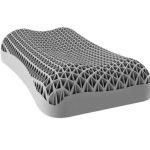
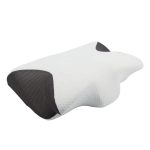
Contoured wave pillows are designed to support neck curvature for back sleepers. Stomach sleepers generally prefer thinner, softer pillows.
Q13: Should I buy an extra pillow cover or protector?
A: Highly recommended. An extra cover lets you rotate one while washing the other. A waterproof dust barrier protects the latex core from sweat and extends its service life.
Q14: Can I use an electric heating blanket with a latex pillow?
A: Brief contact is fine. Avoid prolonged direct high heat on the latex core to prevent accelerated material aging.
Purchase, Returns & Common Expectation Questions
Q15: Why are natural latex pillows more expensive than ordinary foam pillows?
A: Natural latex uses renewable rubber tree raw materials and a complex manufacturing process. It delivers longer service life, better airflow and consistent support. When you account for fewer replacements over time, many customers find it offers better long-term value.
Q16: What if I receive the pillow and find it too firm for me?
A: Comfort varies individually. We suggest trying it consistently for 3–5 nights to let your body adjust from your old pillow. If you still cannot adapt, please check our official return/exchange policy.
Q17: Does natural latex pillow help with neck pain?
A: We cannot make medical claims. The pillow is designed to support natural head and neck posture during sleep. Everyone’s body shape and comfort needs differ; results vary per individual.
Q18: Can children or pregnant women use natural latex pillows?
A: Yes, unless they have a latex allergy. Choose an appropriate thickness matching their body size. For young toddlers, please follow paediatric safety guidance regarding pillow use.