



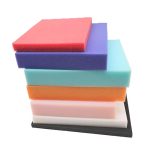
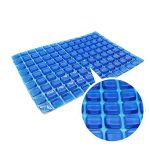
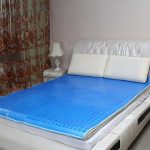
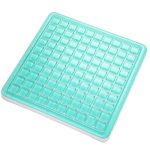


Foldable POE Air Fiber Futon Mattress Wholesale for Japanese Style Ryokans
Traditional ryokan operations face recurring bedding headaches: cotton shikibuton absorbs humidity, develops mold and mites in humid Japanese seasons, requires labor-intensive sun-drying daily, and compresses quickly after repeated guest use. Foldable POE 4D air fiber futon mattresses are engineered as a modern upgrade for ryokan tatami rooms, designed for daily folding, storage, frequent guest turnover and high-humidity environments. This wholesale guide breaks down product design, operational advantages, custom options, Japanese market compliance, pricing and container shipment planning for ryokan buyers and bedding distributors.
1. Product Design Built for Ryokan Shikibuton Workflow
Classic ryokan routine: staff lay futons on tatami before dinner, fold and store away in closets each morning, restoring multi-purpose tatami rooms from sleeping area back to guest lounge. The foldable POE futon is constructed specifically for this cycle.
- Tri-fold or bi-fold segmented POE core: Precision cut POE 4D air fiber panels connected with flexible reinforced seams. The mattress folds flat without permanent crease damage, easy for housekeeping to lift and stack inside ryokan storage cupboards.
- Thickness range: Standard 5cm–10cm, matching traditional shikibuton height for tatami floor sleeping. Medium-firm support keeps natural spinal alignment for guests, avoiding the overly soft sink of cotton futons.
- Removable zipper outer cover: Quick unzip for laundry between guests. The POE core itself can be fully rinsed under running water and air-dry rapidly, critical for humid coastal and onsen ryokans.
- Lightweight core: POE mesh cuts weight vs solid foam of equal thickness, easing housekeeping staff’s repeated lifting and folding work.
2. Core Benefits for Ryokan Operators
2.1 Anti-mold & Dust-Mite Resistance for Humid Onsen Environments
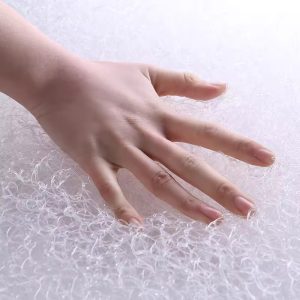
POE filament is hydrophobic and glue-free, with over 90% open void structure. It does not soak up sweat, bath moisture or ambient humidity from hot spring steam. Unlike cotton futons which trap moisture deep inside and breed mold, bacteria and dust mites, POE air fiber drains moisture and air-dries fast. This drastically reduces guest allergy complaints and eliminates the mandatory daily sunning requirement for cotton futons, cutting housekeeping labor hours.
2.2 Stable Rebound & Long Service Life
Cotton shikibuton compresses and flattens after hundreds of guest cycles, needing replacement every 1–2 years. POE 4D air fiber maintains consistent support after thousands of fold-unfold cycles and compression tests. Premium grade POE retains over 90% rebound after long-term use, extending service life to 4–6 years and lowering total replacement cost for ryokans.
2.3 Hygiene & Guest Experience
Stains, spills and water splashes from onsen guests can be rinsed directly from the POE core. Zero VOC, no chemical adhesive inside the core, eliminating off-gassing odors. The continuous airflow structure stays cool, solving the overheating issue of thick cotton futons in summer. It also appeals to international travelers with allergies, a major selling point for tourism-focused ryokans.
2.4 Space Efficiency
When folded, tri-fold POE futons stack compactly in tatami room storage closets. No bulky drying racks required. This fits the traditional ryokan design where room space is limited and multi-functional.
3. Custom Wholesale Options for Ryokan Projects
- Standard Japanese tatami sizes: Single (90×180cm), semi-double (120×200cm), full (140×200cm). Custom dimensions available for boutique ryokan renovation projects.
- Firmness tuning: Adjust POE filament density for softer or firmer grades, for onsen resorts vs senior-friendly ryokans.
- Fabric ticking selection: Anti-slip bottom fabric to prevent sliding on tatami mat surface; water-repellent outer cover; custom woven private label / ryokan hotel logo.
- Packaging options: Flat semi-compressed carton for bulk sea freight; individual PE protective wrapping to prevent snagging during handling. Thin POE foldable futons can accept mild vacuum compression; thick 8–10cm cores are shipped flat to avoid fold line fatigue.
4. Japan Market Compliance Checklist
Before bulk shipment to Japan, prepare the mandatory documentation and testing:
- JIS textile & safety standards: JIS L 1920 flammability test for bedding; fiber composition labeling (POE polyolefin elastomer clearly printed on permanent sewn label).
- Antibacterial & anti-mold test: ISO 20743 antibacterial report, widely requested by Japanese ryokans.
- Formaldehyde & VOC test: JIS L 1041, confirm low formaldehyde levels, mandatory for inn bedding.
- Labeling rules: Sewn permanent care tag in Japanese language, listing material composition, care instruction, importer information, country of origin.
- Food-contact grade POE optional upgrade: For premium ryokans targeting family guests.
Important note: The fold hinge area is the key test point. Request factory cyclic folding durability test reports before mass order to avoid permanent indentation at fold lines.
5. Logistics & Container Loading Tips
- Packing: Tri-fold POE futons are stacked flat, not heavily rolled. Folding lines must not bear heavy top stacking load inside the container.
- Container planning: Calculate CBM carefully. Folded POE bulk volume is larger than compressed PU foam futons. Do not apply foam volume conversion ratio.
- Humidity protection during transit: Use moisture barrier film for shipments to Japan’s humid ports, prevent condensation inside container.
- MOQ: Custom private label usually 100–300 pcs; standard sizes available for smaller renovation batch orders.
6. Comparison: POE Foldable Futon VS Traditional Cotton Shikibuton
| Item | POE Foldable Air Fiber Futon | Cotton Shikibuton |
|---|---|---|
| Moisture handling | Hydrophobic, fast air-dry | Absorbs moisture, prone to mold |
| Maintenance | Rinse core; cover removable wash | Daily sun drying required, labor heavy |
| Durability | 4–6 years, stable rebound | 1–2 years, easy to flatten |
| Allergy risk | Dust mite resistant | High mite accumulation |
| Storage | Tri-fold compact stacking | Bulky, slow to dry after use |
| Weight | Medium-light | Heavy when damp |
7. Limitations & Wholesale Risk Notes
- Higher upfront unit cost than cotton futons, though lower long-term replacement and labor expense.
- Fold line quality varies widely by factory. Low-quality POE will develop crease indentation after repeated folding cycles. Always request folding fatigue test samples.
- Thick POE futons cannot be tightly vacuum rolled. Flat packing increases ocean freight cost vs compressed cotton futons.
- Need staff training: avoid sharp objects touching POE mesh surface to prevent filament snagging.
Final Takeaway for Ryokan Bedding Buyers
Foldable POE 4D air fiber futons are not a simple material swap. They directly solve ryokans’ biggest operational pain points: mold risk, heavy daily maintenance, short bedding lifespan and allergy guest complaints. For inn renovation or bulk bedding replacement projects, the total operating cost advantage outweighs higher initial purchase price. Distributors can position this premium shikibuton to high-end onsen ryokans, boutique traditional inns and serviced tatami vacation rentals.
FAQ
Q1: Can POE futon fold thousands of times without permanent indentation?
A: High-quality segmented POE core with reinforced folding seams can sustain repeated daily fold-unfold cycles. Always require factory cyclic folding test report before bulk purchase.
Q2: Can the whole POE futon core be washed?
A: Yes. Remove outer fabric cover, rinse the POE core fully and air dry. Do not use high-heat drying machines.
Q3: Does POE futon slide easily on tatami mats?
A: Select anti-slip base fabric option. This is a popular add-on for ryokan orders to prevent shifting while guests sleep.
Q4: What certification is mandatory for selling bedding to Japanese ryokans?
A: JIS flammability, textile composition, formaldehyde test reports, plus Japanese permanent sewn care labels. Antibacterial test is commonly required by premium inn buyers.
Q5: What is the standard size of ryokan shikibuton?
A: The most popular single size: 90cm ×180cm; semi-double:120cm×200cm, full size:140cm×200cm. Custom cut is available.
