







Flexible vs Rigid Polyurethane Foam: Key Differences & Uses
Full Blog Article
Introduction
Polyurethane foam can be engineered into two primary categories: flexible polyurethane foam and rigid polyurethane foam. Many buyers, brand owners, and DIY purchasers struggle to tell them apart and select the correct material for their projects.
Although both materials originate from the same polyurethane chemical system, differences in formulas, cell structures, and manufacturing methods create completely separate physical characteristics. Flexible PU foam focuses on cushioning and comfort, while rigid PU foam prioritizes thermal insulation and structural stability.
In this guide, we break down the core differences between flexible and rigid polyurethane foam, list their advantages, limitations, and real-world applications to help you make the right purchasing decision.

What Is Flexible Polyurethane Foam?
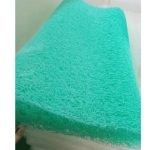
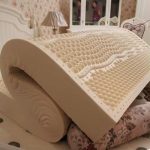
Flexible polyurethane foam is an elastic, compressible cellular foam material, most commonly featuring an open-cell structure. After compression, it can rebound back to its original shape without permanent deformation.
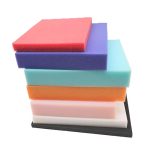
Manufacturers widely produce flexible foam in large continuous slabstock blocks, which are sliced into sheets, panels, or custom-cut sizes. It is the dominant padding material for household and commercial soft furnishings.
Main Characteristics
- Elastic and repeatedly compressible
- Predominantly open-cell structure with good air circulation
- Available in wide density ranges (soft low-density to supportive high-density grades)
- Lightweight and comfortable for human contact
- Can be manufactured as low-VOC, CertiPUR-US certified bedding-grade foam
Primary Advantages
- Delivers pressure relief for seating and sleeping
- Easy to cut into custom shapes for cushions and padding
- Good sound absorption for indoor acoustic improvement
- Cost-effective for mass furniture and bedding production
Limitations
- Poor thermal insulation compared to rigid foam
- Open-cell variants absorb water and moisture
- Under heavy long-term load, low-density foam may gradually sag
What Is Rigid Polyurethane Foam?
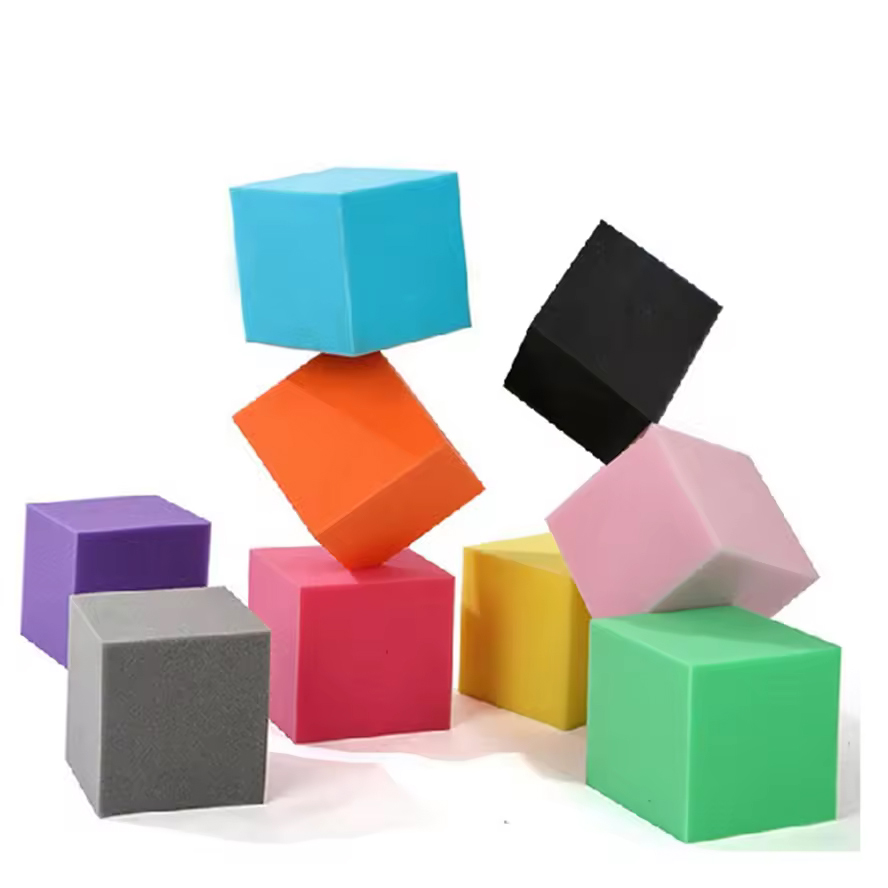
Rigid polyurethane foam is a hard, non-elastic foam with a high percentage of closed cells. It cannot bend or compress easily and maintains its fixed shape under regular pressure.
Rigid PU foam is famous for outstanding thermal resistance, so it serves as premium insulation material across construction, cold chain, and refrigeration industries. It can be produced as continuous insulation boards or molded rigid components.
Main Characteristics
- Hard, stiff, non-compressible
- Mostly closed-cell structure with sealed air pockets
- Low water permeability and excellent thermal resistance
- High dimensional stability, resistant to warping
- Strong bonding capacity with facer materials for insulation panels
Primary Advantages
- Excellent thermal insulation (high R-value)
- Water and moisture resistance
- Lightweight structural support
- Long service life for outdoor and building applications
Limitations
- No elasticity, cannot be used for cushioning
- Brittle under extreme impact
- More expensive per volume than basic flexible foam
Flexible PU Foam VS Rigid PU Foam — Comparison Table
| Comparison Aspect | Flexible Polyurethane Foam | Rigid Polyurethane Foam |
|---|---|---|
| Cell Structure | Mostly open-cell | Mainly closed-cell |
| Elasticity | Highly elastic, rebounds after squeezing | Non-elastic, rigid, cannot compress |
| Touch & Texture | Soft, spongy, cushioned | Hard, solid, board-like |
| Breathability | Good air permeability | Very low air permeability |
| Waterproof Performance | Absorbs moisture & water | Water-resistant, low water absorption |
| Core Function | Cushioning, padding, pressure relief | Thermal insulation, structural support |
| Typical Density Range | 16 – 80 kg/m³ | 30 – 200+ kg/m³ |
| Rebound Feature | Visible bounce back after compression | No rebound at all |
| Common Production Form | Slabstock foam blocks, sheets | Insulation boards, molded panels, spray foam |
Typical Applications of Flexible Polyurethane Foam
Flexible PU foam dominates consumer soft goods markets:
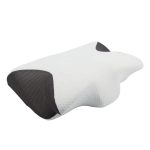
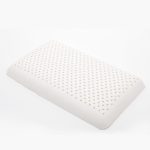
- Bedding: Mattress layers, sleeping pillows, mattress toppers
- Furniture: Sofa cushions, dining chair padding, bench inserts
- Automotive: Car seat foam, headrest padding, interior sound damping
- Daily products: Pet bed padding, soft toy filling
- Acoustics: Indoor sound absorption panels for offices and studios
- Packaging: Light-duty shock protection for lightweight goods
Typical Applications of Rigid Polyurethane Foam
Rigid PU foam focuses on construction, cold storage and industrial insulation:
- Building industry: Wall insulation, roof insulation, floor thermal panels
- Cold chain: Refrigerator, freezer, cold storage warehouse insulation
- Construction panels: Structural insulated panels (SIPs)
- Marine & outdoor: Waterproof buoyancy components
- Industrial equipment: Thermal insulation for machinery and pipelines
- Spray foam insulation for residential building energy renovation
How To Choose Between Flexible and Rigid PU Foam
Choose Flexible Polyurethane Foam if your project needs:
✅ Comfort padding, seating or sleep support
✅ Material that can bend and withstand repeated compression
✅ Breathable cushioning for human contact
✅ Custom-cut foam cushions, mattress materials
Choose Rigid Polyurethane Foam if your project needs:
✅ Thermal insulation to reduce heating/cooling costs
✅ Waterproof, dimensionally stable building materials
✅ Permanent structural panels that require no flexibility
✅ Cold storage, refrigeration or exterior construction use
Frequently Asked Questions
Q1: Can rigid polyurethane foam be used for mattresses?
No. Rigid foam lacks elasticity and cushioning. It cannot provide comfortable support for sleeping. Only flexible PU foam is suitable for mattresses and pillows.
Q2: Is all flexible polyurethane foam open-cell?
Most flexible bedding-grade foam is open-cell. Special modified flexible closed-cell foam exists but is rarely used for furniture and bedding due to poor breathability.
Q3: Which foam type offers better sound insulation?
Flexible open-cell PU foam performs better at absorbing echo and airborne noise. Rigid foam mainly blocks conductive noise and works for thermal insulation instead of acoustic treatment.
Q4: Are both foam types available in fire-retardant grades?
Yes. Manufacturers can add flame retardant additives to meet standards such as CA117 and BS5852 for both flexible and rigid polyurethane foam.
Final Thoughts
The fundamental difference separating flexible and rigid polyurethane foam lies in elasticity and cell structure. Flexible foam is designed for comfort and cushioning, while rigid foam is engineered for insulation and structural stability.
Understanding these differences avoids costly mistakes during bulk purchasing. Confirm your end usage scenario before specifying foam types, density and cell structure with your foam manufacturer.
