






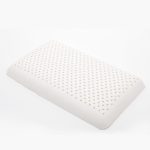
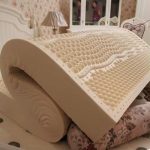

FAQ for Wholesale Buyers: Natural Latex Pillow Sourcing
Target audience:Amazon sellers, local home retailers, hotel/Airbnb procurement, bedding distributors, import merchants
All questions cover raw material, production, MOQ, certification, packaging, shipping, quality control, customization, after-sales, cost & common pitfalls. Suitable for website wholesale page, catalog appendix, supplier quotation attachment, business email toolkit.
A. Raw Material & Product Basics
Q1: What is your natural latex raw material source? What latex content options are available?
A: Our latex is sourced from rubber tree sap in Southeast Asia.
Standard options:
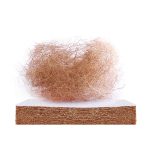
- 90%+ natural latex (Dunlop process, mainstream wholesale bestseller)
- Talalay natural latex (softer, higher cost, low minimum order for premium lines)
We do not supply synthetic PU foam or low-blend foam disguised as natural latex. We can provide third-party composition test reports upon request.
Q2: What is the difference between Dunlop and Talalay latex pillows for wholesale?
- Dunlop: Medium-firm, denser, better durability, competitive price, ideal for mass retail, Amazon, hotel bulk orders.
- Talalay: Softer, lighter, more uniform elasticity, higher production cost, targets premium home stores, DTC luxury brands.
Most bulk buyers select Dunlop as core SKU.
Q3: What firmness/density options can I order?
A: Standard density 42D–45D (medium-firm, universal fit for back & side sleepers).
Custom density available upon bulk negotiation: 40D (softer) / 48D (firmer). We recommend starting with 42–45D to minimize customer return rates.
Q4: Why do new latex pillows have a rubber odour? Will this cause customer complaints?
A: Natural latex inherently has a mild rubber scent, no chemical additives. It dissipates within 1–3 days after ventilation.
We provide standard odour disclosure text you can add to listings, package inserts and retail signage to reduce returns.
Note: Musty/damp smell is not normal; we implement strict drying procedures to avoid this during manufacturing.
Q5: Does the product contain natural rubber latex allergen?
B. MOQ, Customization & Private Label
Q6: What is your minimum order quantity (MOQ)?
- Stock standard models (solid colour covers, regular shape): Low MOQ for mixed container / small trial order.
- Private label (printed logo, custom fabric cover): Higher MOQ, negotiable based on total order volume.
- Fully customized contour shape, special thickness, custom packaging: MOQ will increase accordingly.
Contact our sales team for tiered pricing according to order quantity.
Q7: Can I do private label / OEM & ODM?
- Embroidered or printed brand logo on pillow cover
- Custom fabric selection: cotton, bamboo, Tencel, polyester
- Custom pillow dimensions, thickness, contour shape
- Custom hang tags, instruction cards, outer retail packaging
- Custom colour for outer covers
Q8: Can I mix different sizes, shapes and cover colours in one order?
Q9: Can you produce bundle sets (2-pack pillows, pillow + protective cover sets)?
C. Certification, Testing & Compliance
Q10: What certifications can you provide?
- Raw material latex composition test report
- OEKO‑TEX Standard 100 test (harmful substance detection)
- Commercial invoice, packing list, CO certificate of origin (for customs clearance)
Other specific testing (VOC, allergen testing) can be arranged with extra lead time and testing fees.
Q11: Are your products compliant for selling on Amazon / US, EU markets?
D. Packaging, Compression & Logistics
Q12: What packaging options are available?
- Standard: Individual micro-perforated PE bag (not fully airtight to reduce odour buildup)
- Upgrade: Retail colour box / kraft gift box
- Master export carton for sea freight
We recommend avoiding long-term vacuum compression storage, which slows expansion recovery for end customers.
Q13: Do you vacuum compress pillows for shipment?
A: Yes for sea/air transport to reduce volume and freight cost.
Important notice to forward to your customers: After opening, pillows need 24–72 hours to fully expand. We provide ready-to-print expansion reminder text for package inserts.
Q14: What is the production lead time?
- Stock ready goods: Within 3–7 working days after deposit
- OEM private label orders: 15–30 working days, depends on customization content and order volume
Peak season (Q3–Q4) lead time will be extended; confirm schedule before placing orders.
Q15: Which shipping terms can you offer?
E. Quality Control & After-Sales for Wholesale Partners
Q16: What quality checks are performed before shipment?
- Raw material inspection
- Semi-finished latex core drying check (prevent musty smell)
- Size, density, shape random sampling
- Cover stitching and appearance inspection
- Final carton random inspection before loading.
Buyers can arrange third-party factory inspection before shipment.
Q17: What qualifies as a defective product claim?
- Mouldy/musty odour caused by insufficient drying during production
- Cover stitching defects, fabric holes
- Severe permanent deformation (not normal temporary compression)
Not considered defects: Mild natural rubber scent; temporary compressed shape after vacuum packing; personal preference on firmness.
Q18: What is your after-sales policy for wholesale orders?
A: Please inspect goods within 7 days after receiving shipment. Provide photos/videos for confirmed quality defects. We negotiate solutions including replacement parts, supplementary shipment or partial compensation.
We do not take responsibility for damages caused by improper storage, prolonged sealed packaging or improper use by end consumers.
F. Pricing, Payment & Business Cooperation
Q19: Is pricing negotiable? Do you offer volume tier pricing?
Q20: What payment terms do you accept?
Q21: Can I get free samples?
G. Common Business Pitfalls (Wholesale Buyers Most Frequently Ask)
Q22: How to reduce end-customer return rates for latex pillows?
- Package insert text (odour notice, expansion guide, care instruction, allergen warning)
- Listing disclaimers you can add to e-commerce pages
- Firmness description templates to manage buyer expectations
Transparent upfront information is the most effective way to cut returns.
Q23: Should I stock Dunlop or Talalay for resale?
A: For Amazon, local home shops, hotel bulk business: Prioritize Dunlop (balanced cost, stable demand).
Talalay is suitable if you position your store as high-end bedding and target customers seeking softer pillows.
