






Best Latex Mattress for Side Sleepers 2026 Ultimate Buying Guide
1. Why Natural Latex Is Superior for Side Sleepers
1.1 Balanced Pressure Relief & Progressive Support
1.2 All-Night Cooling for Hot Side Sleepers
1.3 Long-Term Consistent Performance
1.4 Hypoallergenic & Skin-Friendly
2. Non-Negotiable Rule 1: Correct Firmness Scale by Body Weight (Most Critical)
Lightweight Side Sleepers (Under 130 lbs / 59kg)
Recommended Firmness: 4–5 (Medium-Soft to Medium)
Lighter body weight cannot compress dense firm latex effectively. A medium-soft Talalay top layer provides enough plush wrapping for shoulder and hip protrusions, preventing hard surface pressure points. Avoid full Dunlop firm single-block latex, which will feel overly rigid and cause arm numbness overnight.
Average-Weight Side Sleepers (130–230 lbs / 59–104kg)
Recommended Firmness: 5–6 (Medium to Medium-Firm)
The most versatile option. Medium layered latex balances surface cushioning and deep lumbar support. It works for pure side sleepers and combination sleepers who occasionally switch to back sleeping.
Heavyweight Side Sleepers (Over 230 lbs / 104kg)
Recommended Firmness: 6–7 (Medium-Firm)
Heavy body load requires a dense high-density base layer to stop bottoming out. Choose a soft Talalay comfort top stacked on thick firm Dunlop base. Too-soft full Talalay mattresses will sink excessively, twisting the spine and aggravating hip joint pressure.
3. Rule 2: Talalay vs Dunlop Latex – Which for Side Sleepers?
Talalay Latex: Top Choice for Pressure Point Cushioning
- Texture: Soft, plush, cloud-like contouring, deeper sink on the surface
- Internal structure: Massive interconnected air pockets, maximum airflow for hot sleepers
- Core value for side sleepers: Perfectly wraps protruding shoulders and greater trochanter of the hip, eliminates hard pressure buildup
- Best for: Light & average-weight side sleepers, chronic shoulder bursitis, hip pain sufferers
Dunlop Latex: Must-Have Base Layer for Support
- Texture: Dense, solid, high resilience, strong upward push-back force
- Core value for side sleepers: Prevents full body sinking, locks spinal neutral posture, bears heavy weight without collapse
- Best for: Heavy side sleepers, underlying support layer in layered mattresses, users with lower back pain
Final Combination Suggestion for 90% Side Sleepers
Layered stack: 2–3 inch Soft Talalay Top + Medium Dunlop Middle + Firm Dunlop Base
This hybrid layout gets the best of both worlds: plush surface pressure relief and stable deep-layer spinal support.
4. Rule 3: Single Layer vs Layered Zoned Latex Mattress for Side Sleepers
4.1 Single Solid Block Latex (Not Ideal for Most Side Sleepers)
- Pros: Glue-free, zero delamination risk, longest lifespan, cost-effective
- Cons: Fixed uniform firmness. Full soft Talalay lacks deep support for heavy users; full firm Dunlop causes severe shoulder/hip pressure pain for light side sleepers
- Only suitable for: Heavy single side sleepers who add a separate Talalay latex topper on top
4.2 Layered Zoned Latex (Gold Standard for Side Sleepers)
Two Key Zoning Designs Beneficial for Side Lying
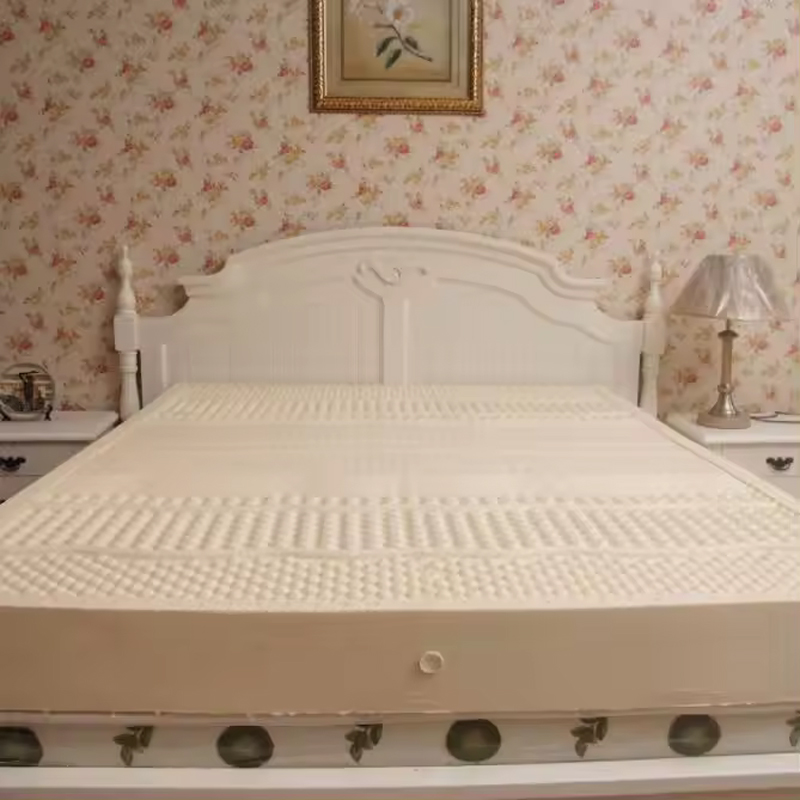
- Vertical Firmness Gradient Layering: Soft top for pressure relief, firm base for load bearing
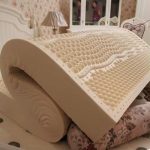
- Horizontal Body Zoning: Softer latex inserts under shoulder/hip zones, reinforced firmer latex block in the lumbar waist area
Core Benefits for Side Sleepers
- Targeted cushioning for the two highest-pressure body parts: shoulders and hips
- Reinforced lumbar zone stops pelvic tilting when lying sideways
- Better motion isolation, less partner movement disturbance for couples
- Adjustable for mixed-weight couples sharing one mattress
5. Rule 4: Thickness Standard for Side Sleepers
- 8–10 inches: Minimum threshold for average-weight side sleepers; can be all-latex or latex hybrid with pocket coils
- 10–12 inches: Most recommended universal thickness. Sufficient Talalay comfort layer on top, thick supportive base underneath
- Above 12 inches: For heavyweight side sleepers or ultra-plush customized zoned models
6. Rule 5: Must-Have Certifications for Safe Side Sleepers
- GOLS Certificate: Proves 100% organic natural rubber latex, bans synthetic blended/synthetic latex, the most authoritative latex standard
- OEKO-TEX Class 1: Zero harmful VOCs, safe for chemically sensitive skin, pregnant women and kids
- GOTS Organic Cotton Cover: Outer ticking without pesticide residues or toxic dyes, gentle on bare skin
7. Latex Hybrid vs All-Latex: Which for Side Sleepers?
Pros: Pure latex elasticity, maximum anti-mite performance, no coil squeaking, ultra-long durability
Cons: Weigh heavier, weaker edge support when sitting on the mattress perimeter
Best For: Allergy sufferers, chemical sensitivity users, long-term 15+ year investment buyers
Option B: Latex Hybrid Mattress (Pocket Coil Base + Talalay Latex Top Layer)
Pros: Outstanding edge support for getting in/out of bed, strong load capacity for heavy side sleepers, easier to rotate regularly
Cons: Coil core cannot block dust mites completely, slight motion transfer between partners
Best For: Side sleepers with limited mobility, elderly users, couples prioritizing edge usability
8. 2026 Quick Buying Checklist by Sleeper Profile
Profile 1: Lightweight Side Sleeper (<130lbs)
✅ Firmness: 4–5 Medium-Soft
✅ Structure: Full layered Talalay top + medium Dunlop base
✅ Type: All-latex zoned mattress
✅ Thickness: 10 inches
✅ Certification: GOLS + OEKO-TEX Class 1
Profile 2: Average Weight Side Sleeper (130–230lbs)
✅ Firmness: 5–6 Medium
✅ Structure: Talalay soft top + zoned lumbar reinforced layered latex
✅ Optional: Latex hybrid pocket coil version
✅ Thickness: 10–12 inches
Profile 3: Heavy Side Sleeper (>230lbs)
✅ Firmness: 6–7 Medium-Firm
✅ Structure: Thin Talalay comfort top + high-density Dunlop thick base
✅ Type: Latex hybrid with reinforced zoned pocket coils
✅ Thickness: 12 inches minimum
Profile 4: Side Sleeper with Chronic Hip/Shoulder Pain
✅ Mandatory upgrade: Horizontally body zoned layered latex mattress
✅ Avoid: Single firm Dunlop block, cheap synthetic blended latex
9. Common Buying Mistakes Side Sleepers Must Avoid in 2026
- Buying overly firm single Dunlop latex directly: Causes sharp pressure on shoulders and hips every morning
- Confusing blended/synthetic latex with natural latex: Poor resilience collapses quickly, no effective pressure relief
- Ignoring body weight when choosing firmness: Too soft for heavy people leads to spinal curvature; too hard for light users causes numbness
- Skimping on thickness below 8 inches: Insufficient sinking buffer for side pressure points
- Choosing cheap layered latex with poor glue: Layers shift unevenly within several years, destroying ergonomic support
10. Final Top Recommendations Summary
- Best Overall for Most Side Sleepers: 10–12 inch Layered Zoned All-Natural Latex Mattress (Soft Talalay Top + Zoned Lumbar Dunlop Base), Medium 5/10 firmness, GOLS certified
- Best Budget Pick: Medium single Talalay latex mattress + removable Talalay latex topper
- Best for Heavy Side Sleepers: Medium-Firm Latex Hybrid Mattress with zoned pocket coils and Talalay comfort layer
- Best for Allergy & Sensitive Skin: GOLS pure all-latex layered zoned mattress with GOTS organic cotton cover
Final Verdict for Side Sleepers
The ideal 2026 latex mattress for side sleepers follows this formula:
Medium/Medium-Soft firmness + Talalay plush top comfort layer + Dunlop supportive base + lumbar body zoning + GOLS organic certification
This combination eliminates hip/shoulder pressure pain, maintains neutral spinal alignment all night, and delivers cool, hygienic deep sleep for long-term health.
11.Side-by-Side Comparison Table
| Comparison Item | Best Choice for Side Sleepers | Not Recommended for Side Sleepers | Reason |
|---|---|---|---|
| Latex Material | Talalay top layer + Dunlop base layer | Full single Dunlop firm block | Talalay cushions pressure points; pure Dunlop over-compresses shoulders/hips |
| Firmness Scale | 4–7 matched by body weight | Ultra-firm 8–10 / ultra-soft 2–3 | Wrong firmness leads to joint pain or spinal sinking |
| Internal Structure | Layered zoned ergonomic design | Single solid one-piece latex block | Zoning achieves targeted shoulder/hip relief & lumbar support |
| Mattress Type | All-latex zoned or latex pocket coil hybrid | Pure innerspring without latex top | Hybrid balances edge support and contouring comfort |
| Core Certification | GOLS + OEKO-TEX Class 1 | No organic latex certification | Avoid synthetic/fake latex with poor performance |
12 FAQ
-
What firmness latex mattress is best for side sleepers?
Lightweight side sleepers need medium-soft (4-5), average weight medium (5-6), heavyweight medium-firm (6-7) on the 10-point firmness scale.
-
Talalay or Dunlop latex better for side sleeping?
Talalay for the top comfort layer to cushion shoulders and hips, Dunlop as the base layer for stable spinal support; the stacked combination works best.
-
Is a zoned layered latex mattress worth it for side sleepers?
Yes. Horizontal body zoning adds softer padding for pressure points and firmer lumbar reinforcement, solving the biggest pain point of side sleeping.
-
Can heavy side sleepers use all-Talalay latex mattresses?
Not recommended. Pure Talalay is too soft, causing excessive sinking and poor spine alignment. Must pair with a thick Dunlop firm base or pocket coil hybrid core.
-
How thick should a latex mattress be for side sleepers?
Minimum 8 inches, 10–12 inches is the optimal thickness to reserve enough sinking space for hip and shoulder pressure relief.
