




Air Fiber Mattress vs Natural Latex: Wholesale Pros & Cons for Bedding Retail Brands
Natural latex has long been a premium staple for bedding retailers, marketed for organic feel, elasticity and pressure relief. However, retailers face persistent pain points: mold risk, heavy weight, complex import logistics, and allergic consumer feedback. POE 4D air fiber, as a fully washable polymer alternative, is gaining traction among retail brands seeking differentiated SKUs.
This article compares POE 4D air fiber and natural latex from wholesale cost, supply stability, product performance, retail selling points, common customer complaints, inventory & after-sales, to help bedding brands decide on product line layout.

1. Core Material Overview
POE 4D Air Fiber
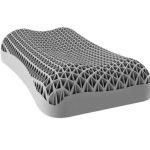
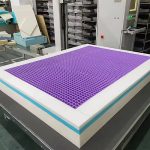
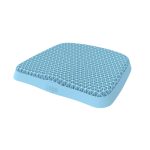
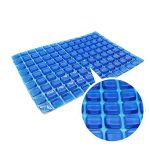
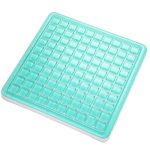
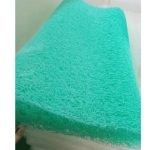
Interwoven thermoplastic POE monofilament, welded at crossover points, open void structure (>90% air volume). No adhesive inside the core. Fully rinseable, quick-drying, dust mite and mold resistant. It delivers instant responsive support without slow sinking. Available in customized firmness by adjusting fiber diameter and network density.
Natural Latex
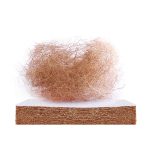
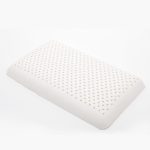
Made from rubber tree sap, vulcanized into elastic foam. Two mainstream processes: Dunlop (denser, firmer) and Talalay (softer, more uniform). Features natural elastic touch and good pressure distribution. Contains natural rubber protein which may trigger allergies. Hygroscopic, prone to mildew in humid environments.
2. Wholesale & Supply Chain Comparison
Reference: OEM bulk wholesale price, FOB China, standard queen size mattress core, large order quantity
| Comparison Item | POE 4D Air Fiber (Virgin Grade) | Natural Latex (Premium Dunlop/Talalay) | Notes |
|---|---|---|---|
| Wholesale Unit Cost | Mid-to-high | High; Talalay latex premium is substantial | Natural latex price fluctuates with rubber sap harvest season |
| Raw Material Supply Stability | Stable; synthetic polymer, factory output controllable | Volatile; affected by weather, rubber plantation yield, export quotas | Latex may face lead time spikes during shortage seasons |
| Weight | Lightweight | Heavy | Air fiber cuts shipping cost per unit; latex raises freight |
| Compressible for Shipment | Can be packed compactly | Cannot vacuum compress (permanent damage after full compression) | Air fiber reduces container space cost greatly |
| MOQ | Medium, flexible for brand trial orders | High MOQ for premium Talalay latex | Easier for small/medium brands to test air fiber SKUs |
| Storage Requirement | Ordinary warehouse, no special humidity control | Requires dry, ventilated warehouse; high humidity causes mold during storage | Latex inventory risk rises in coastal warehouses |
3. Product Pros & Cons for Retail Brands
POE 4D Air Fiber
✅ Pros for Retail
- Strong unique selling proposition: fully washable mattress core, a standout feature that differentiates from latex, foam and spring mattresses for online & offline retail marketing.
- Low allergy risk: no natural rubber protein, suitable for customers with latex allergies, expanding target buyer groups.
- Excellent heat dissipation: open air structure, fewer complaints about sleeping hot.
- Stable physical property: no oxidation sticky surface, no powdering over time.
- Simple after-sales: stains and spills can be cleaned instead of direct product scrapping.
❌ Cons for Retail
- Some consumers perceive it as “plastic material”, need brand education to explain high-performance polymer.
- Low-cost recycled POE variants have poor durability; brands must lock virgin POE specification to avoid bad reviews.
- Specific touch: springy instant rebound, not the soft enveloping feel that latex lovers prefer.
Natural Latex
✅ Pros for Retail
- Mature market cognition: “natural, organic” is easy for marketing; large existing consumer base that recognizes latex.
- Comfort characteristic: moderate enveloping elasticity, widely accepted pressure relief.
- Low noise, classic premium bedding texture.
❌ Cons for Retail
- Natural rubber protein allergy complaints are unavoidable, must add allergy warning labels.
- Hygroscopic: high return rate and negative reviews in humid regions due to mold and odor.
- Aging mechanism: gradual oxidation, surface powdering after years of use.
- Cannot be washed; liquid spills lead to permanent contamination.
- Heavy weight, higher logistics and last-mile delivery cost.
4. End-User Complaint & After-Sales Risk
| Item | POE 4D Air Fiber | Natural Latex |
|---|---|---|
| Main Customer Complaints | Too firm; slight crinkling noise on budget versions | Latex allergy, mold, hot sleeping, powdering after aging |
| Stain / Spill Handling | Rinse core for recovery | Permanent contamination |
| Return Trigger Rate (Humid Areas) | Low | High |
| Warranty Management | Focus on high temperature damage | Mold, allergy, oxidation powdering |
5. Recommended Retail SKU Strategy
✅ Add POE 4D Air Fiber SKU if:
- Your brand targets families with kids, pets who frequently spill drinks.
- Sell in humid coastal / subtropical regions where mold complaints hurt reviews.
- Want to launch a differentiated hygiene-focused premium line.
- Operate e-commerce with tight logistics cost control, need light-weight packable products.
- Receive many inquiries from customers with latex allergies.
✅ Keep Natural Latex SKU if:
- Brand positioning centers on natural, organic home products.
- Core customers prefer soft, enveloping elastic sleeping feel.
- Sales regions are dry climate zones with low humidity.
- You have established stable latex supplier and clear product warning protocols.
⚠️ Avoid Pitfalls
- Do not source recycled POE for retail premium lines, as fatigue issues will trigger mass bad reviews.
- Do not market natural latex as “allergy-free”; legal and review risks.
- Clearly communicate the tactile difference: air fiber is springy, latex is enveloping. Misleading description leads to returns.
6. FAQ for Bedding Wholesale & Retail Brands
Q1: Which product has better gross margin potential? A: Premium air fiber can achieve attractive gross margin because its unique washable feature supports premium pricing. Natural latex has well-known market price benchmark, and raw material volatility compresses margin space.
Q2: Can retailers sell air fiber and natural latex together in one product portfolio? A: Yes. Position natural latex for natural comfort lovers; position air fiber as the hygiene, washable, anti-allergy alternative, covering two different consumer segments without direct cannibalization.
Q3: What test reports should be requested from suppliers for wholesale orders? A: For POE: cyclic compression fatigue test, wash resistance test. For natural latex: rubber content test, formaldehyde test, allergen report.
Conclusion
Natural latex remains a strong premium bedding SKU with proven market recognition, but it suffers from unstable raw material prices, allergy risks and mold troubles in humid markets. POE 4D air fiber serves as a high-potential differentiated product for retail brands, leveraging washability, low allergy risk and convenient logistics. Its main challenge is consumer education about polymer material perception.
